All Along the Western Front…
Thursday 11 July
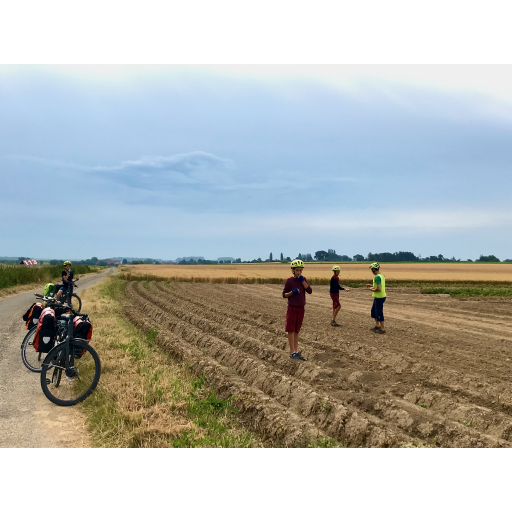
A beautiful warm day. On our way to Valenciennes, we took advantage of collecting potatoes that had been left behind after a harvest. It was the smaller sized ones – the best ones – that fell through the big claws of the machine, so instead of letting them rot we helped ourselves to about 3 kilos worth for dinner tonight. We will have them with the incredible, delectable cheese, La Cancoillotte. We entered Valenciennes prepared to experience supposedly one of the poorest cities in France. And yes, while we saw a few gun shot holes through one glass window, the town doesn’t give that impression at all. It was charming. Lisa and the boys met Christophe at the train station while Xavier bought tickets to get us to Poziers, or rather the closest train station to it, Albert. Christophe was curious. Taken by the number of wheels, the repetition of the spokes, the volume of colourful bags and bundles on well travelled bikes escorted by a mother and three young kids, in what is usually a cavernous train station lobby, he had many questions about what we were doing and how. He himself was at a point in his life where he realised that his life needs to change and was looking for alternatives.
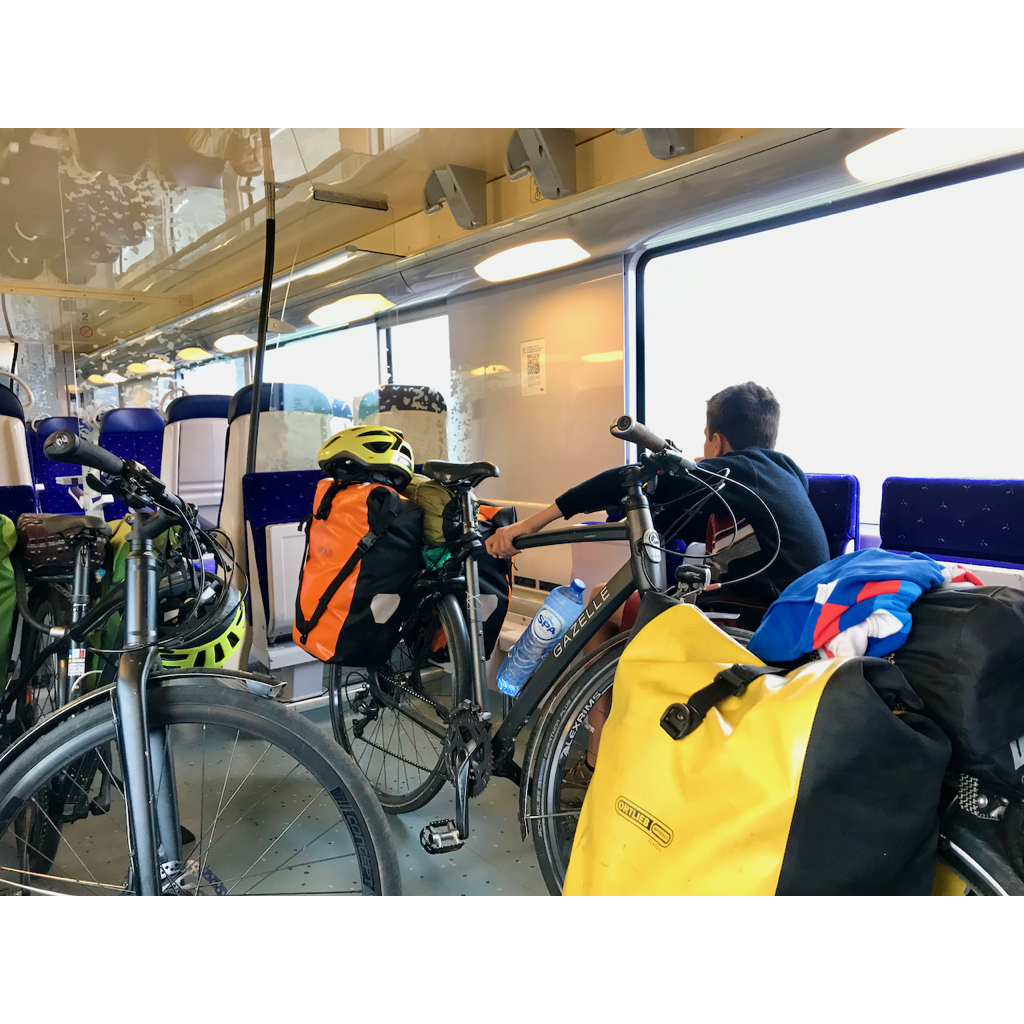
For Christophe we represented just that. He was particularly impressed with the boys and inspired by their ‘can do’ and engaged way of being. We would have liked to have spent more time with Christophe, perhaps even take him with us. Unfortunately, we had to part ways abruptly because our train was only a few minutes away and we had to get to the platform. This involved – take a breathe – going down elevators if they’re available, otherwise you bunny hop down stairs with all your bags and bundles on, or you take off all your bags and bundles first then bunny hop down the stairs with a lighter bike, while someone else looks after the bags that were taken off and waiting for you at the top of the stairs. Once at the base of the platform, then you carry your bike up the stairs and leave it with someone else while you run back to your bags and carry them down the stairs then back up again. All of this as fast as you can, five times! Then before the train pulls in, all the bags and bundles have to be back on the bikes securely to get on the train as quickly as possible when it arrives. Before the train arrives, we have to have the Arsène ‘It’s all ok, don’t stress’ talk. Ever since a shoe came off his foot as a toddler and was swallowed by the gap between the train and platform at Town Hall in Sydney, and in a seperate event, when his helmet fell on to the tracks at Burwood station, he’s never been the same when it comes to train travel.
Once on the moving trains with all bags and people accounted for, then we can relax! Like adrenalin fed ants, it’s a well organised intense group work out. It helps to be at the train station 20 minutes before so we can do what’s necessary in a more relaxed fashion. Having access to elevators helps a great deal, but you might have to manoeuvre them in such a way so that either fit into the smaller lifts on a diagonal or if your upper body strength is good enough, tilt your bike upwards, enter into the elevator rolling your back wheel only and holding the bike upright until you get to the platform.
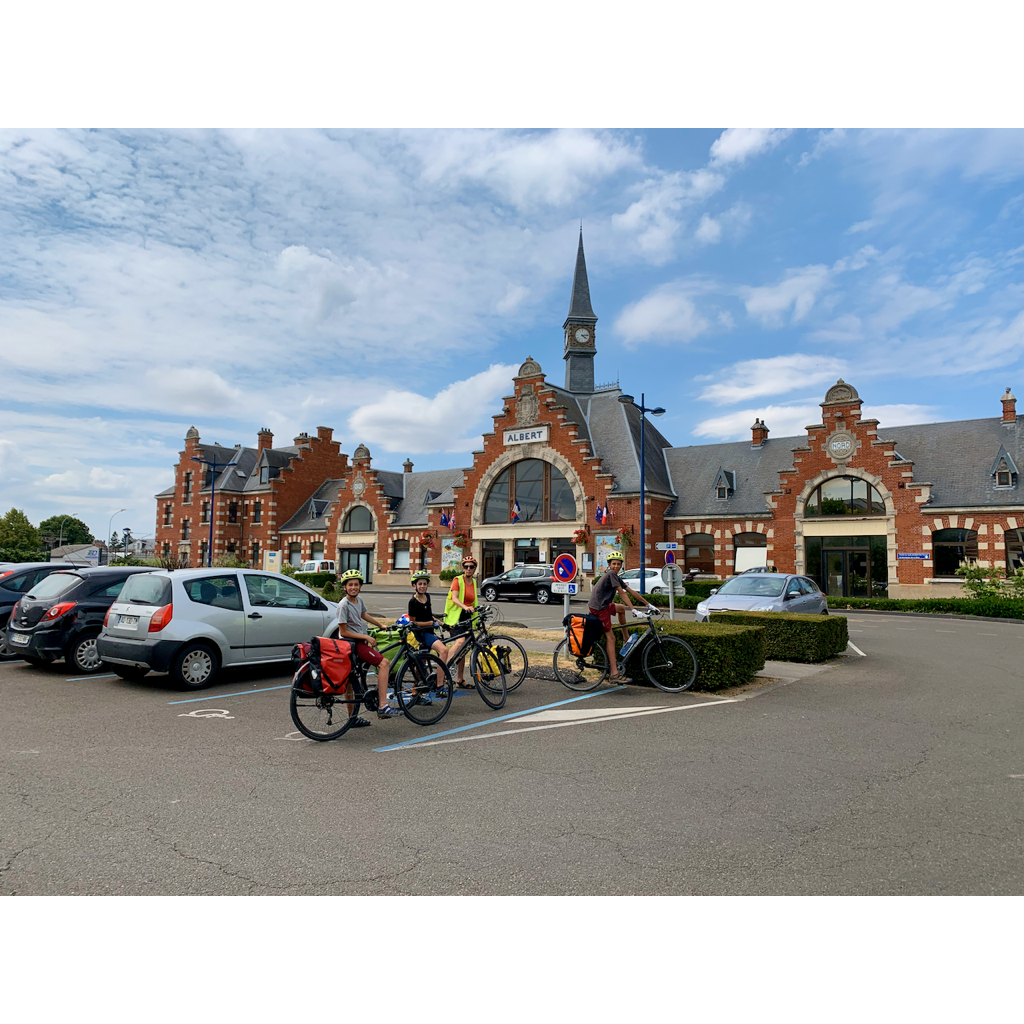
We changed trains in Doui and then eventually got to Albert where we were greeted by an enormous gold plated Virgin Mary high up in the sky standing on the steeple of a what we would later learn is The Basilica Notre Dame de Brebíères. We also learnt the sculpture had been bombed during the Great War (WWI) and was precariously leaning until she fell in April 1918. The locals predicted that when she fell the war would end. She fell and the Armistice was signed 7 months later.
Venturing further out of Albert train station, there was another surprise – Australian and French flags flapping in the wind. We arrived in a town that Australian soldiers passed by on their way to Pozières. We were reminded of Anzac Parade in Sydney and how many of the beautiful figs lining the road were hacked down despite them witnessing possibly the same Australian soldiers walking themselves to Circular Quay on their way to the battlefields of WWI. The French have marked their gratitude to the Australian soldiers who fought and died in The Battle of the Somme, while in Randwick, the State government disrespectfully wood chipped some of the grand-parent fig trees to avoid disrupting traffic predominately made up of one person in one car, while light rail was re-instated.
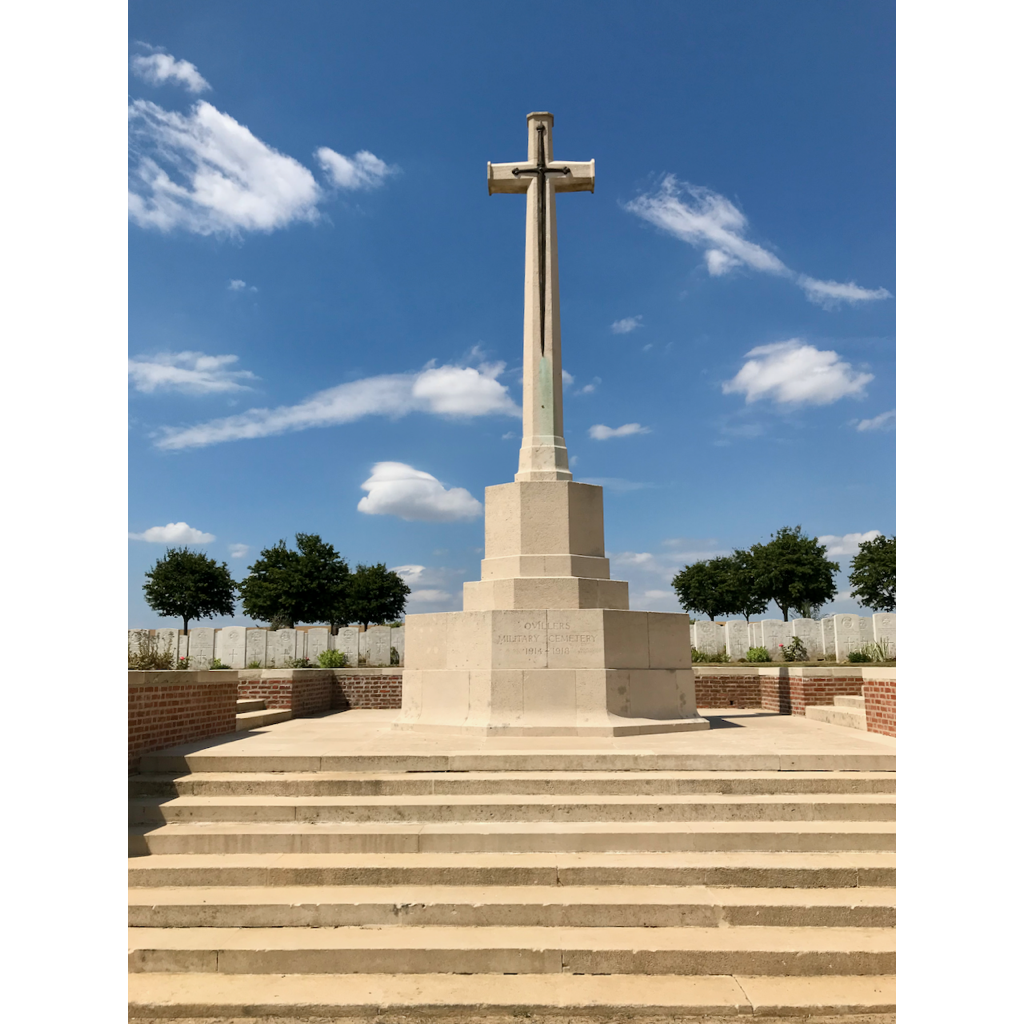
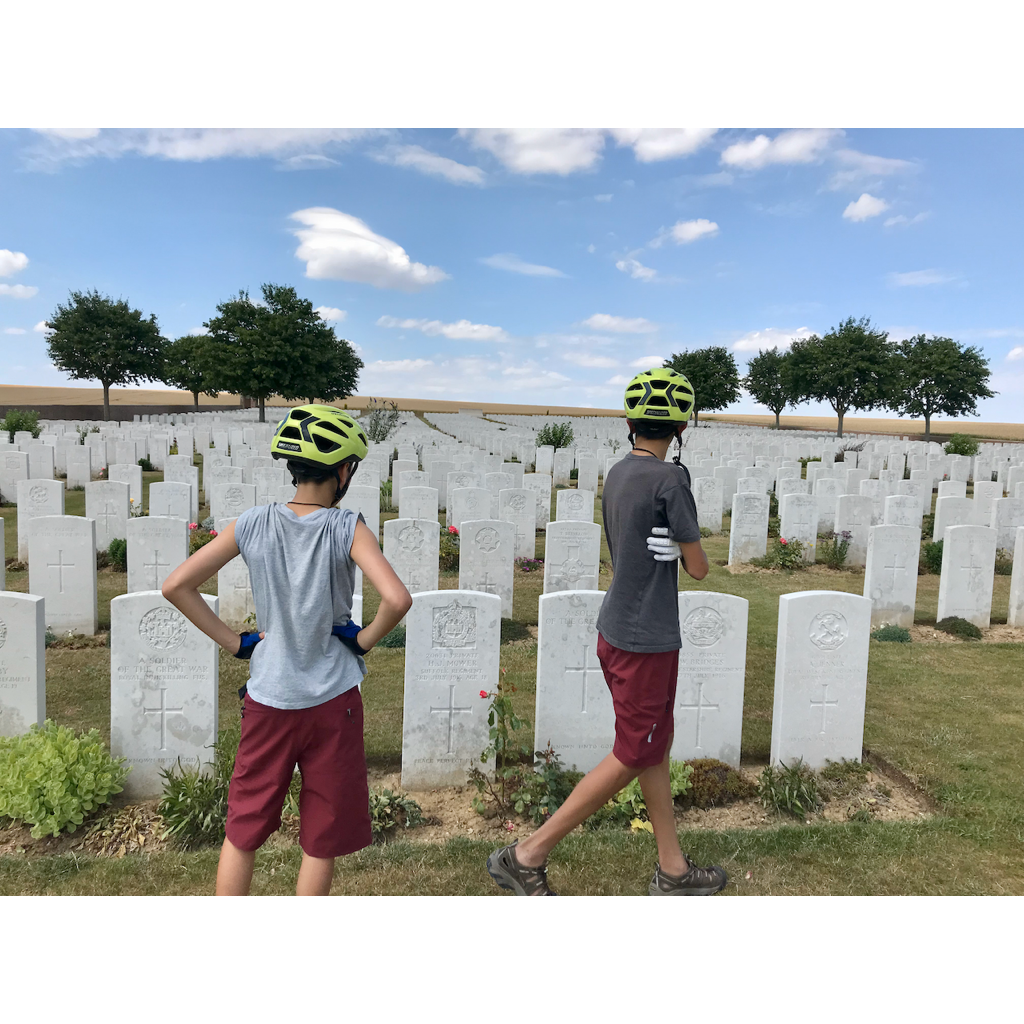
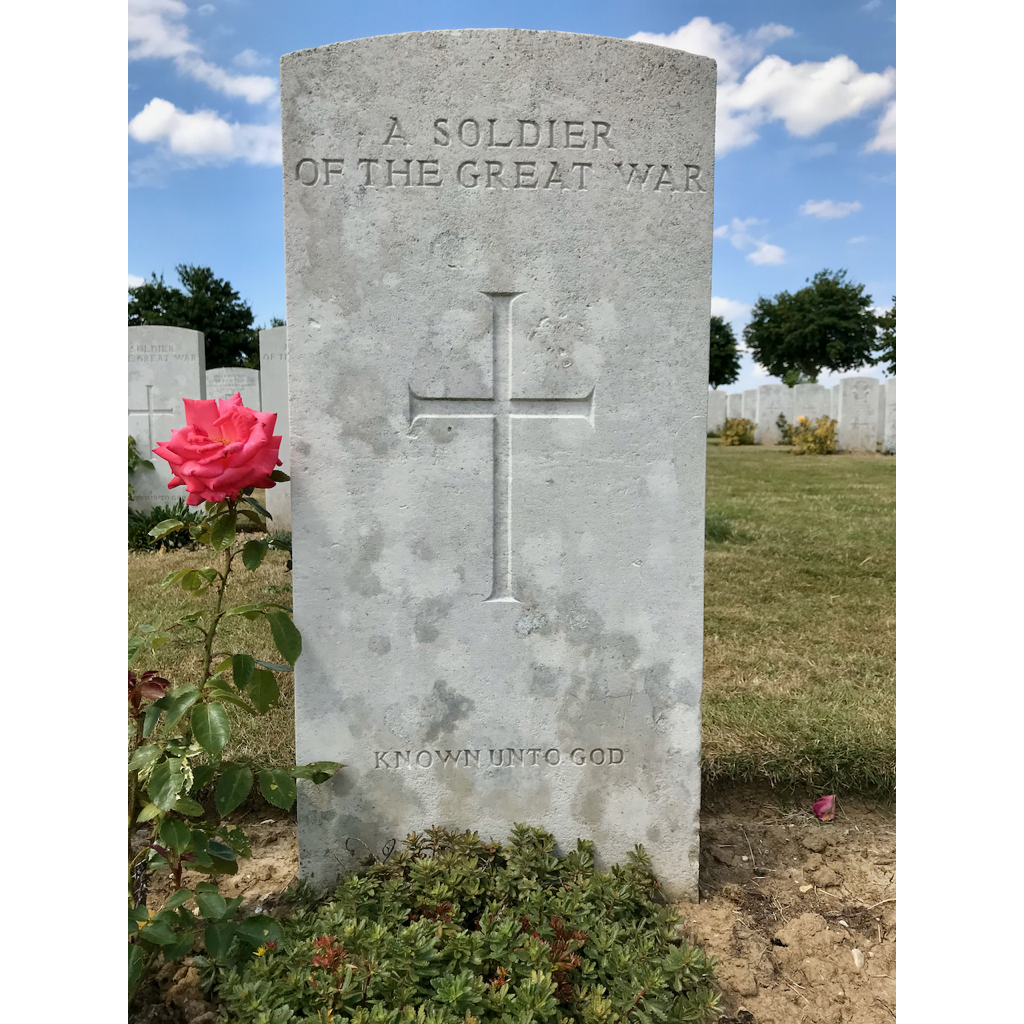
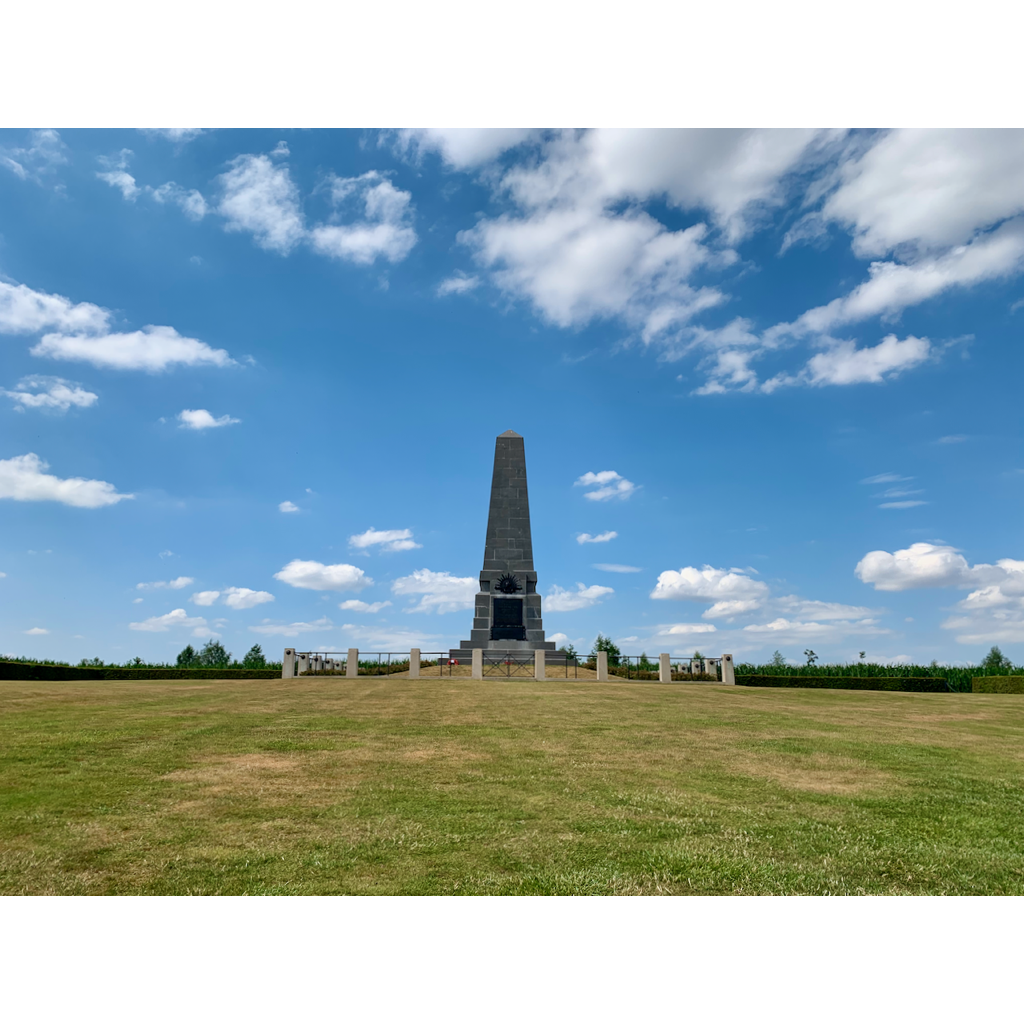
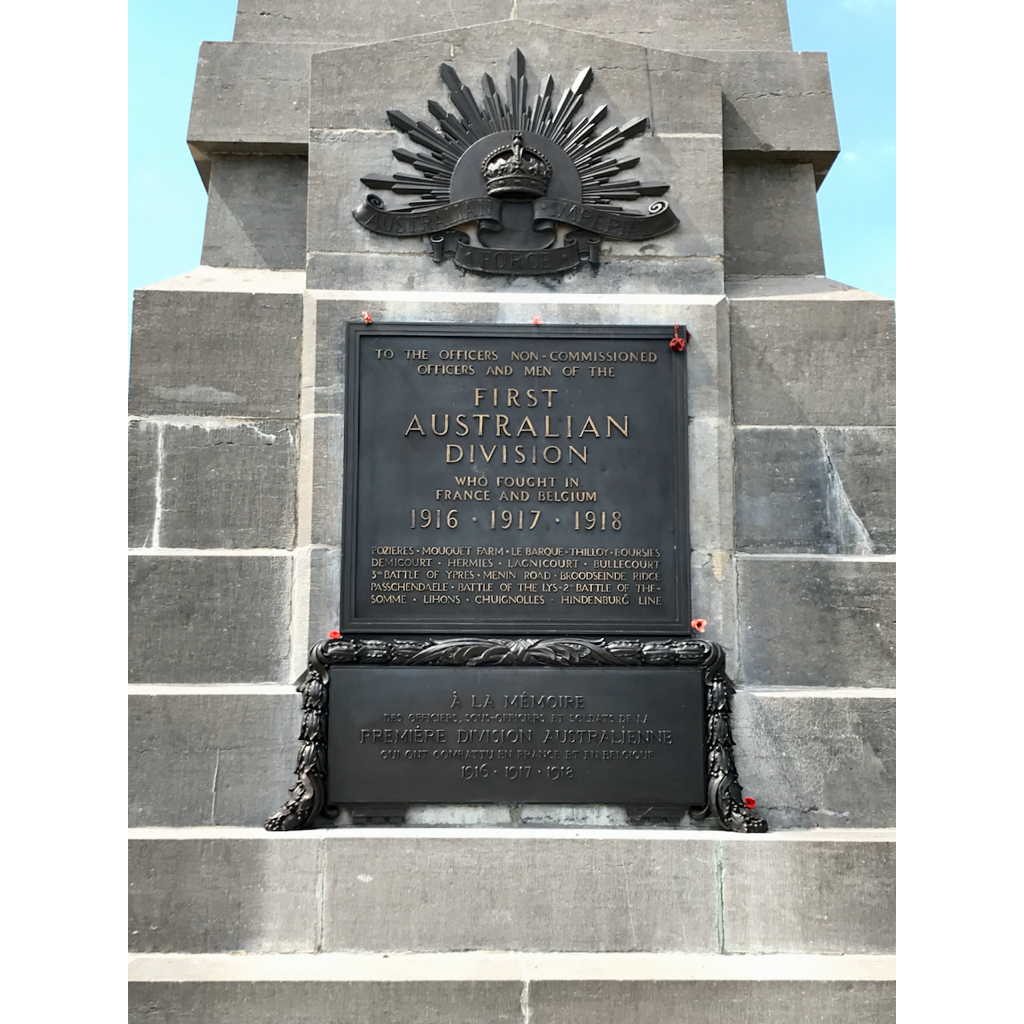
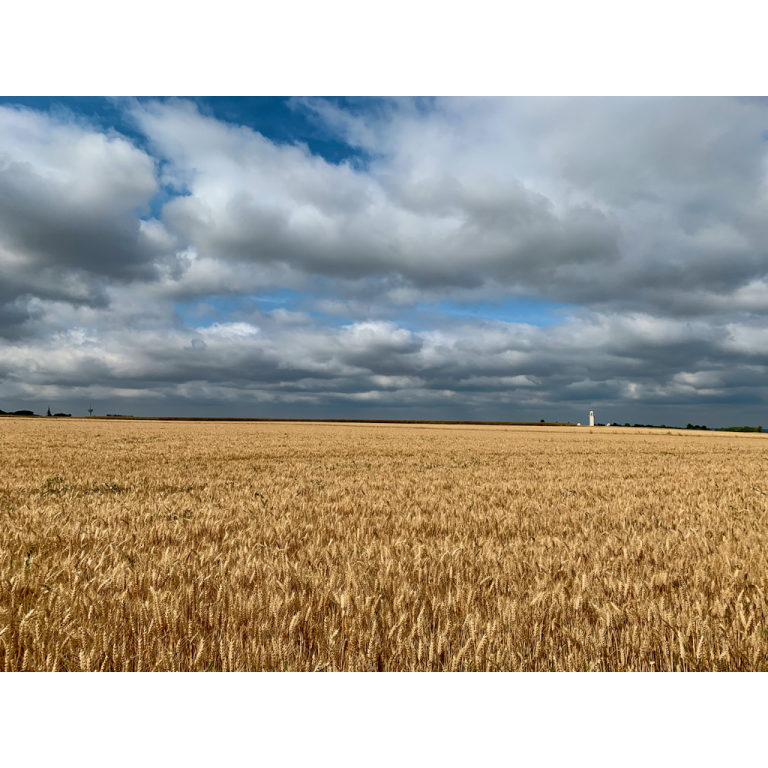
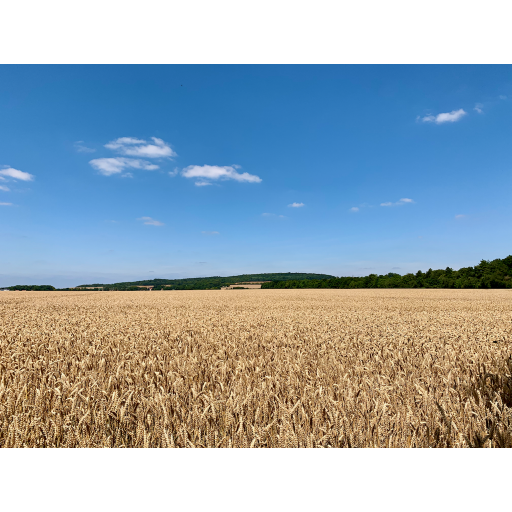
The further we ventured into the sweet smelling, warm landscape filled with golden fields, the more we started to doubt this picturesque illusion. Ushered in by the various thresholds – too many cemeteries, endless lines of grave stones, crosses, memorials, plaques – we felt ourselves slip into a ghostly quietness the many angels of death that gorged themselves in this region had left behind. Bravery, courage, loss, friendship, selflessness, disgust, pain, violence, sacrifice, distance, senselessness, waste and sadness hung in the air we breathed in deeply and ultimately ended up choking us. All these men that marched towards death in the hope of creating a better world. That friends and family desperately awaiting them would benefit from a freer, more peaceful world. It’s hard to imagine all the blood split beneath our feet from the thousands of massacred young, strong bodies. Grenades exploding. Bombs falling, shots being fired. What did we do with all this sacrificed life?
Looking at the landscape that is today filled with dainty sounds of chirping birds and the sweet musky summer breeze ruffling the picturesque fields, Lisa was reminded that when death enters, air holds its breathe. Nothing more moves. Life frozen in time forever. No opportunites to go back, revisit, reconsider, discuss, clarify. Life is suspended and the accounting begins. What was once considered real begins to shimmer, disintegrating into feeling only. Nothing is anymore what it seemed. Like a veil of smoky opium, your place as witness at this threshold is dangerous.
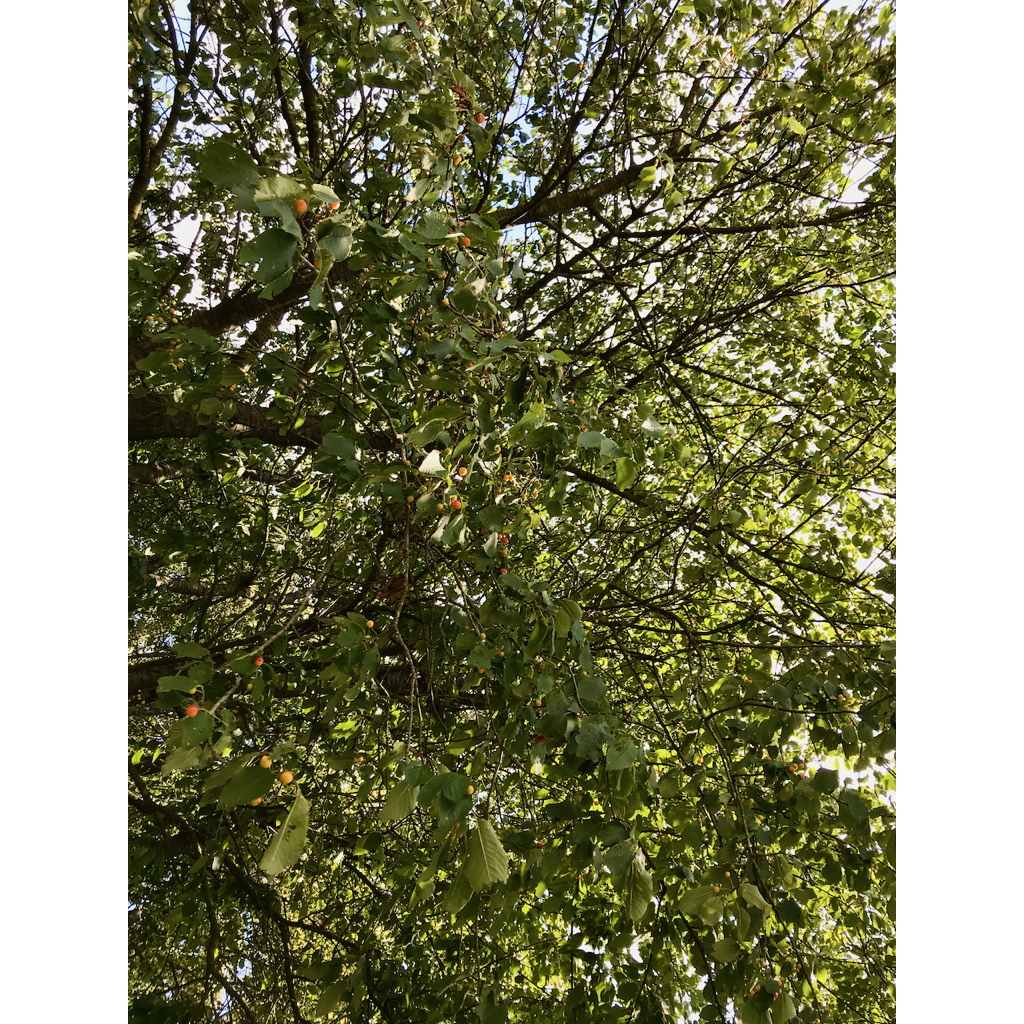
We carried on to Pozières, as the soldiers did, where we saw the dug outs used during the war which were under and around a fruit bearing cherry tree from which we ate reverently. With gratitude.
We pitched our tent in a peaceful camping ground in Ribemont-sur-Ancre. It was abundantly green, surrounded by beautiful large trees, shrubs, trickling water and all the life that feeds off it including the needy mosquitos. The wartime staple which we foraged this morning was prepared and eaten with reverence. How much blood makes such fertile land? We fell asleep in the compassionate arms of melancholy.
Friday 12 July
Today we started with a short ride to Amiens. We were confronted by a new type of « V » shaped barrier. That is, a straight wooden pole with poles in the form of a v on either side. It looked like: <->. So how do you get through with bikes and big bags? We had some fun figuring it out. You reverse bum in first to the pointy end and then straight out the other. It became a fun game a bit like the wire puzzles that Jax gave the boys last Christmas which they loved.
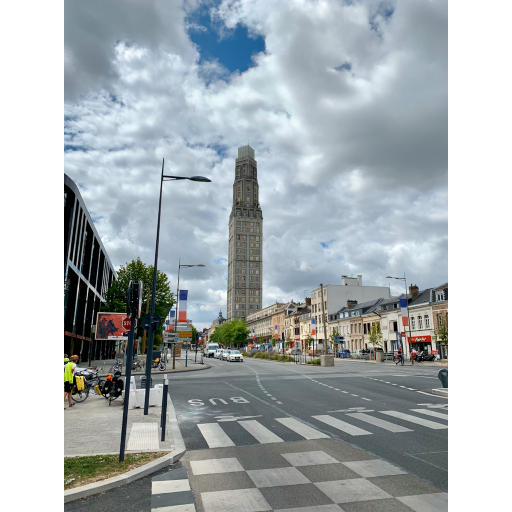
Just before reaching Amiens, we were attracted to a tall building in the distance. A building in three parts – “La Tour Perret”. The main rectangular block looked like it had other blocks dropped into place and rotated. A curious Art Deco looking building that is privately owned and unfortunately inaccessible
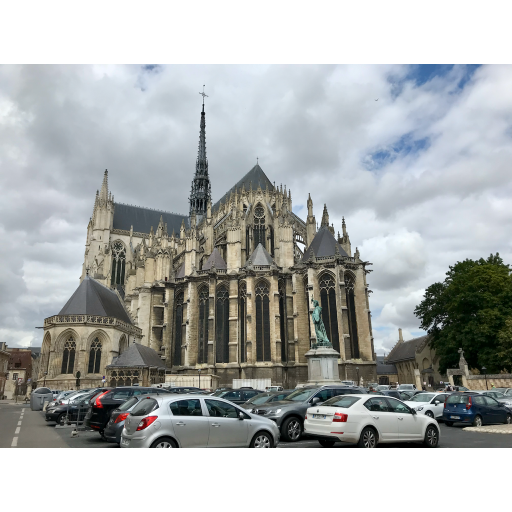
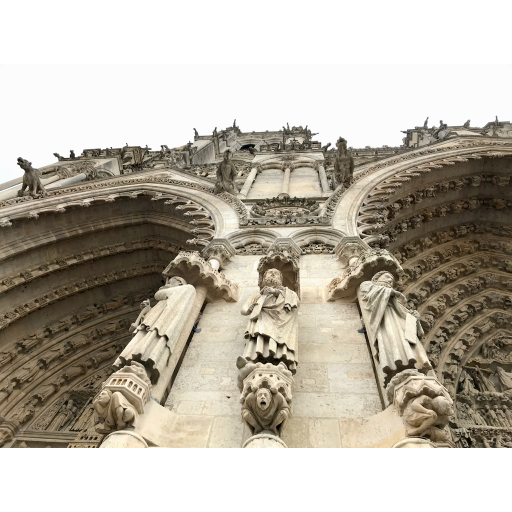
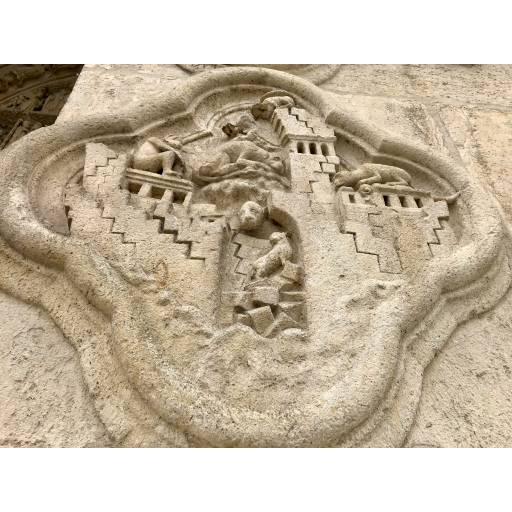
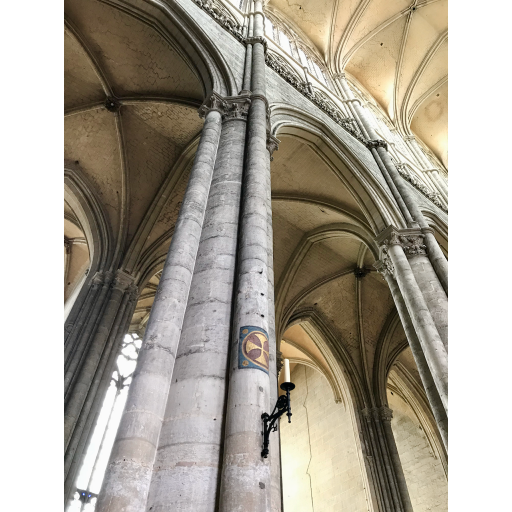
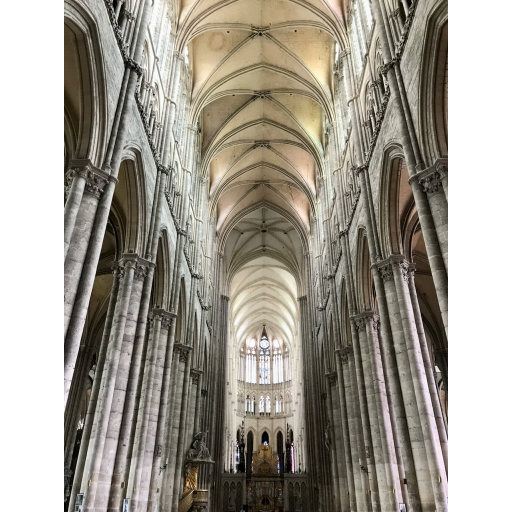
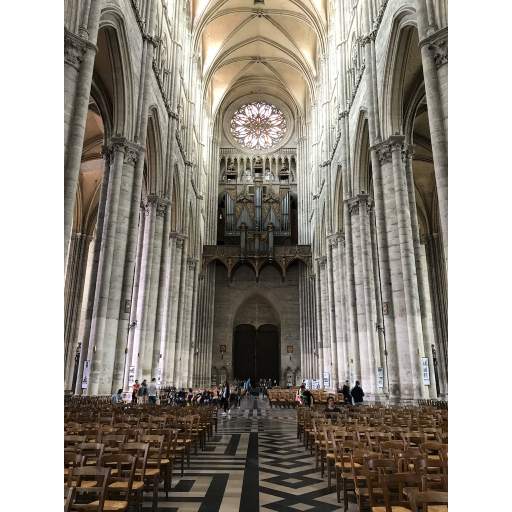
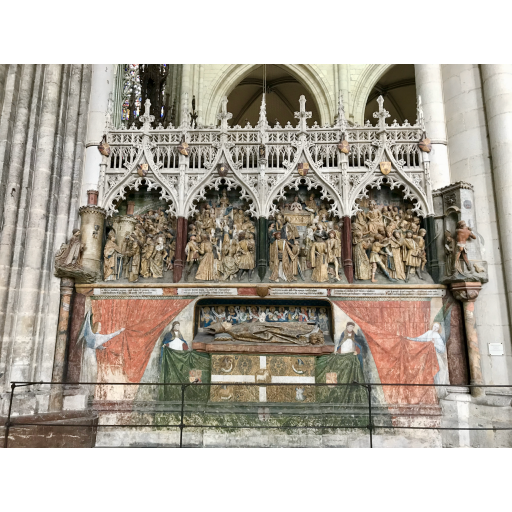
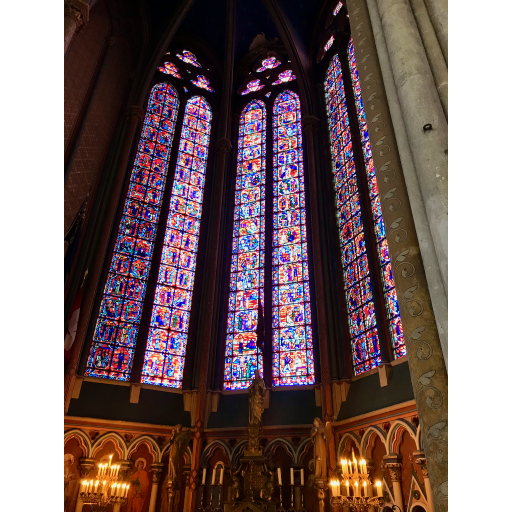
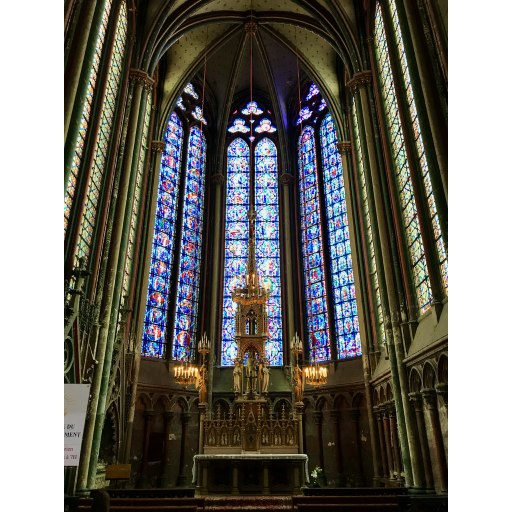
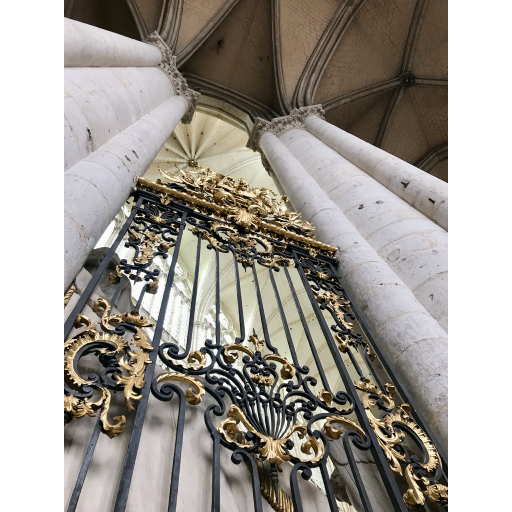
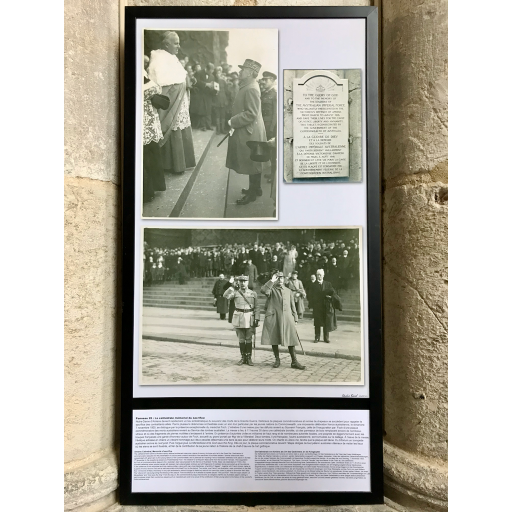
The Basillique Cathedral Notre Dame d’Amiens was spectacular both inside and out. As soon as we walked in we had the same sense of awe we had when we rode through the long passage of tall trees in Belgium. Not only was the height of the building breathtaking but the lead lights filtering the sun’s rays created a similar light doppled effect we experienced in the long tree planted passageway. A perfect example of man replicating nature. After experiencing the power and timeless beauty of the cathedral, we picked up where we left last night. On the other side of the cathedral, there were many posters of WWI, which included images of the lucky although marked ANZACS commemorated in the cathedral just after the war ended.
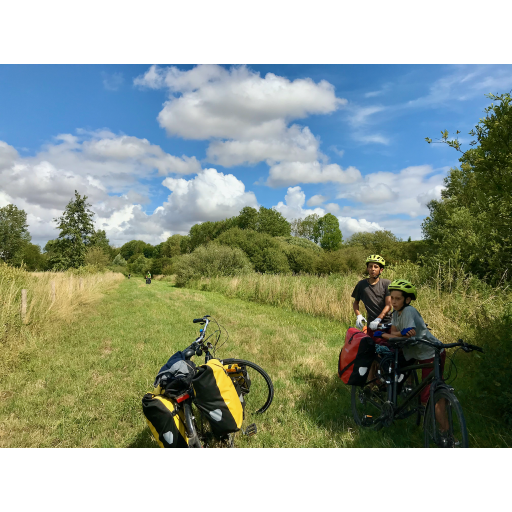
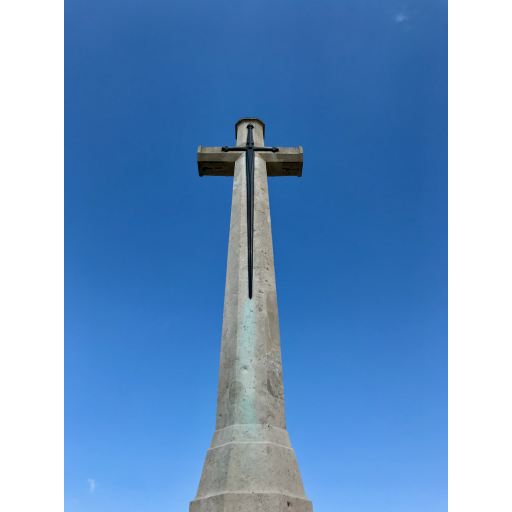
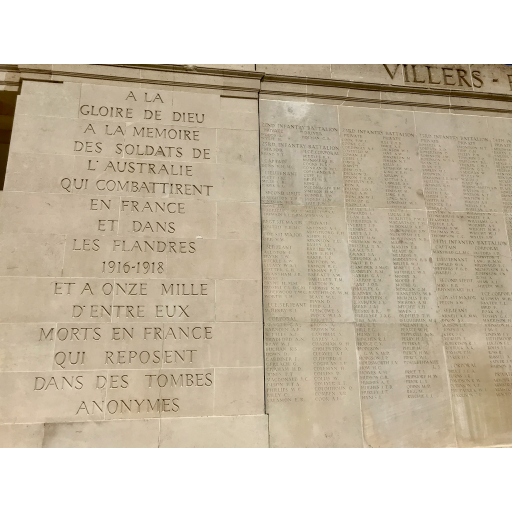
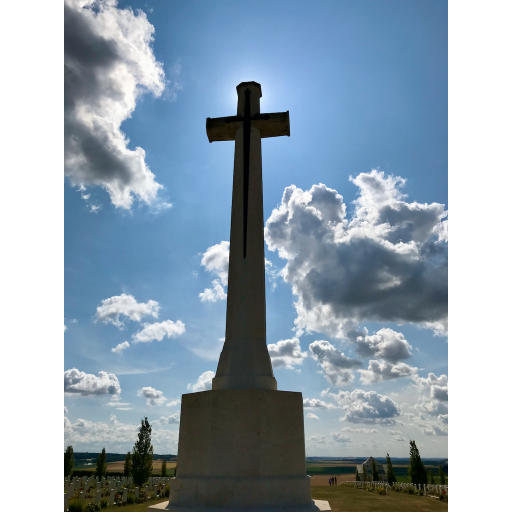
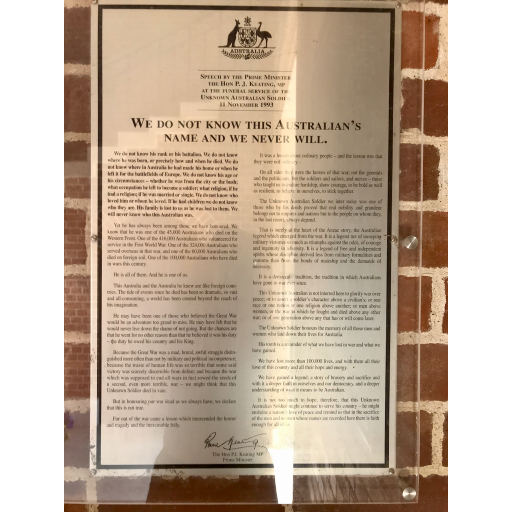
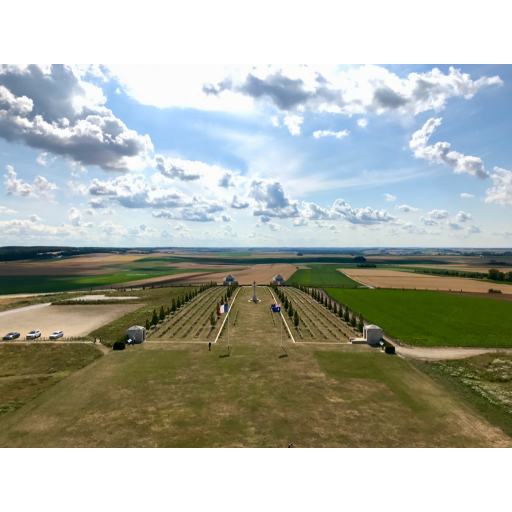
After lunch we rode some 30 kilometres and somehow got off the beaten track ending up in a lush greenery on our way to the Villers-Bretonneux Australian War Memorial. Paul Keating’s moving speech given at the funeral service for the unknown soldier is framed – as it deserves to be. Another sombre moment and emotional day. The boys have learnt and are learning a lot about WWI. Shocked by the young age of the soldiers and the number of dead and all for what? We rode a very short 6 kilometres to the nearest camping ground. An early night for some and a chance to catch up on writing for others.
Saturday 13 July
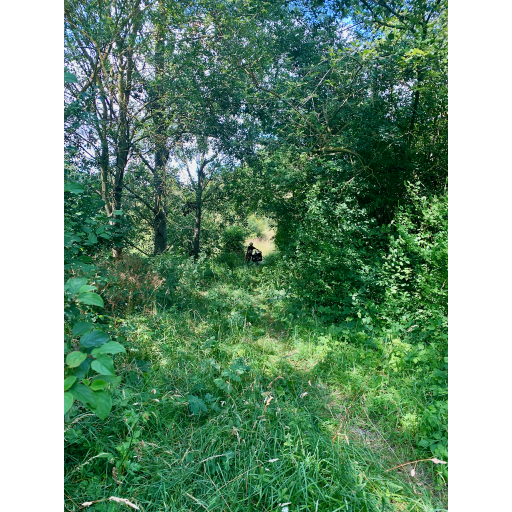
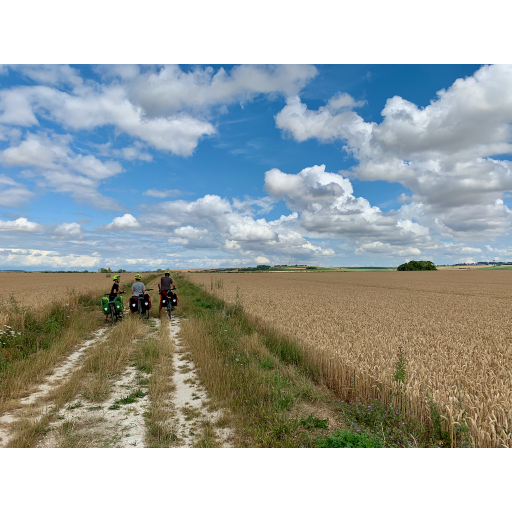
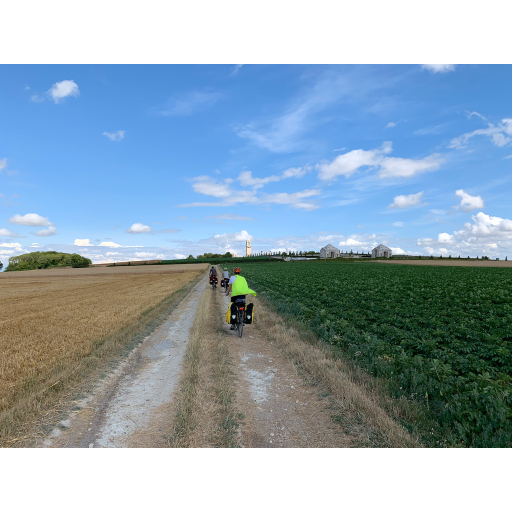
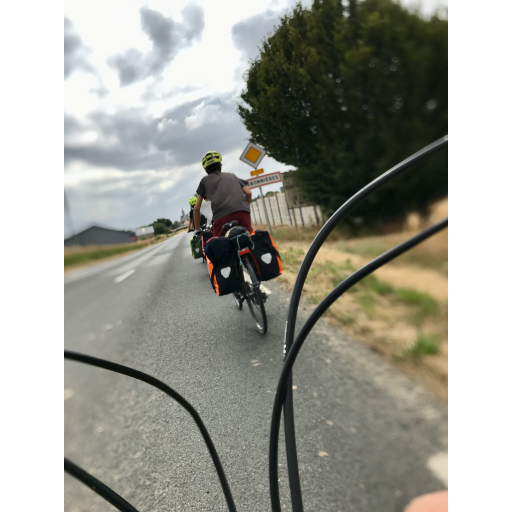
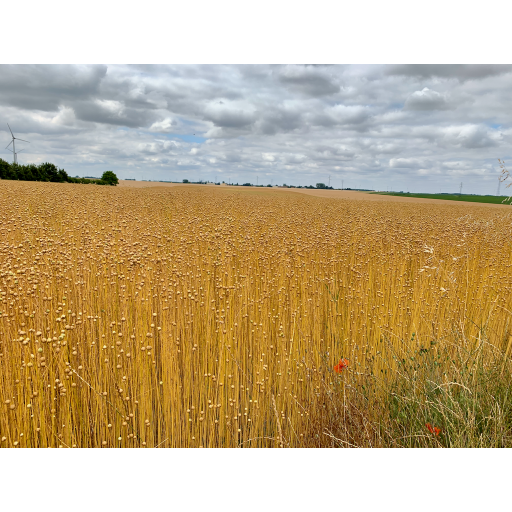
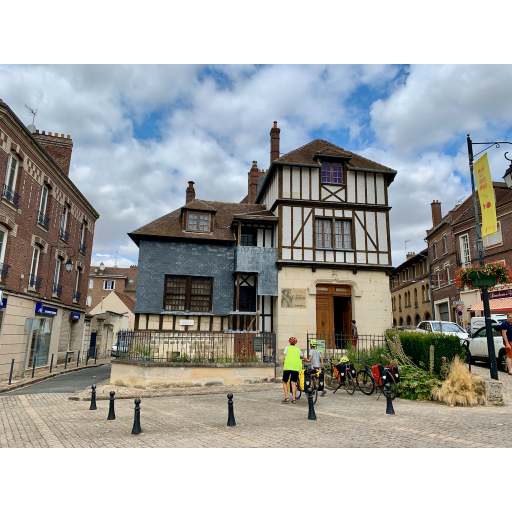
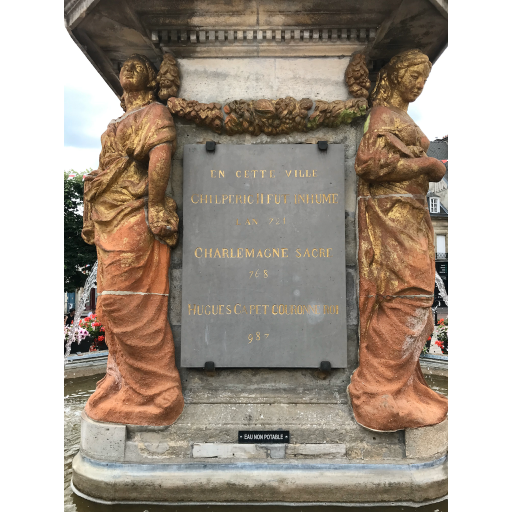
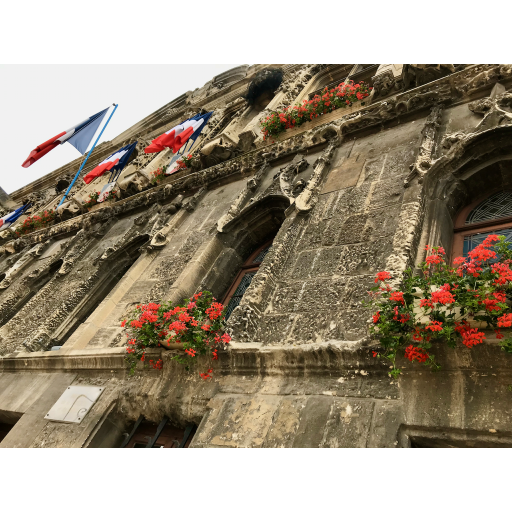
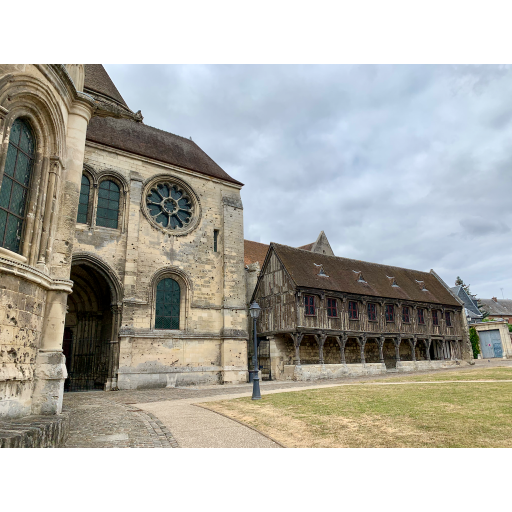
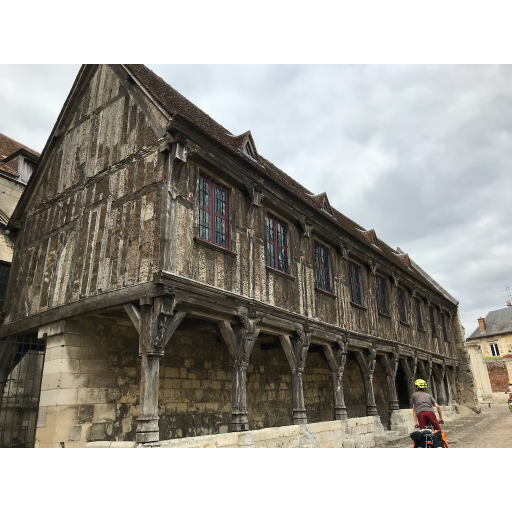
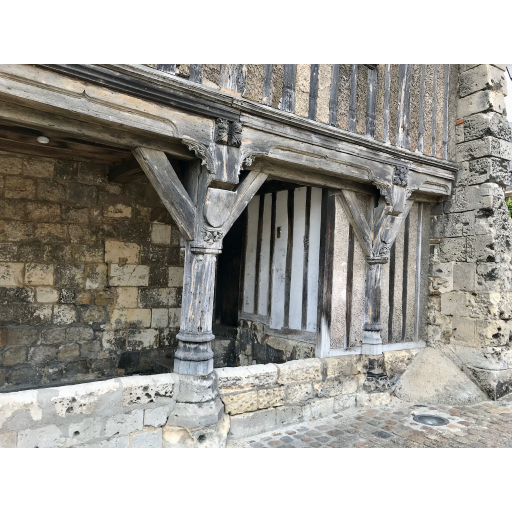
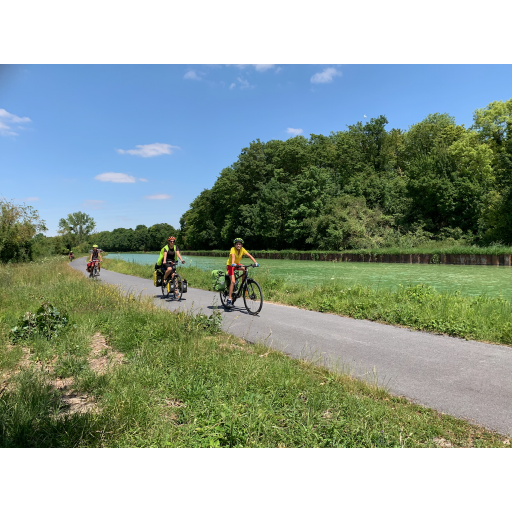
Left Corbie and started making our way to Soisson which is some 96 kilometres away but its fairly flat. We could see Villers-Bretonneux in the distance. We rode on bike tracks alongside canals which made the ride very easy. As we were taking in the scene we stumbled upon a panel about this town called Noyon that was only 3 kilometres ahead. We decided to go because it’s history was just too significant to pass. We learnt that the Bishop of Noyon was a counsellor for Le roi Dagobert (“qui a mis sa culotte à l’envers” as the song goes); that Charlemagne was crowned king of the Franks in 768 in Noyon, a title which he kept until his death, along with King of the Lombards in 774 and Emperor of the Romans from 800. Hughes Capet was also crowned king of the Franks in Noyon in 987 and it was also the birth place of the Reformist Jean Calvin, love or hate him. The city also houses 1st century roman churches, although badly damaged during the First World War and has one of the oldest and original designs of gothic architecture. The city itself is very charming despite almost 90% of it being destroyed in the Great War. What a place! The Town Hall was spectacular, precisely because the damage it endured from WWI is still plain to see and the fountain in the main place in front of it is simply magical. The figures, the simple plaque, the flowers, the scale. Very satisfying. The accessibility and immediacy of history impresses the soul. A genuine character that assumes its wrinkles like a confident grand dame that radiates an attractive wisdom. We stayed the night at Les Araucarias camping ground. Tomorrow we continue our road to Soissons.
Sunday 14 July
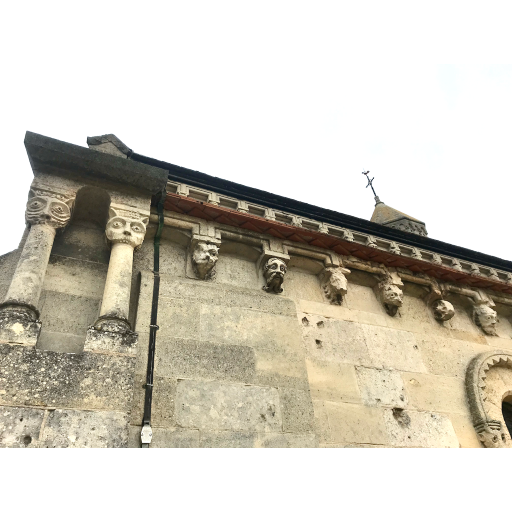
Anniversary of the French Revolution. By the end of the day we had 3 wounded. We left Carlepont to make our way to Soisson (home of the mythic Vase de Soisson) and were stopped in our tracks literally by the individually sculpted gargoyles around the church of Saint Éloi de Tracy le Val. There were some 50 uniquely sculpted faces of grimacing animals, people or monstrous figures. A fabulous, unhinged creativity. Perhaps it was an omen of what was to come.
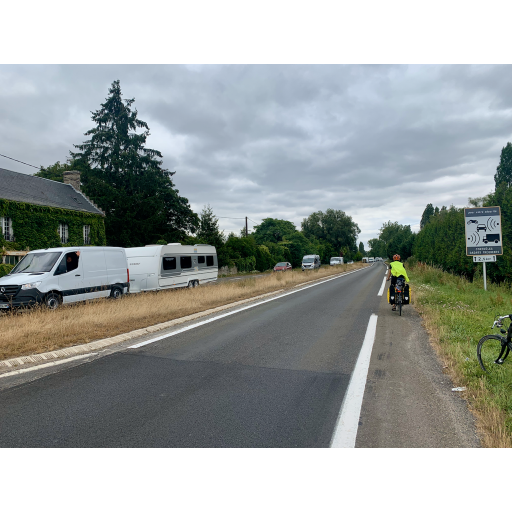
We had climbed up one side of the Oise river valley in the morning and then started the descent down the other side into the Aisne river valley and had picked up a fair bit of speed. Some 6 kms before Soisson, Oreste came off his bike in spectacular fashion. He couldn’t see the hard to distinguish series of bumps in the road so went straight into them at great speed. A little wiggle at first quickly became what the boys called “the death wobble”. Luckily the car coming in the opposite direction was still about 200 metres away so had time to stop. Arsène saw Oreste come off his bike and he said he flew off his bike, which went into the other lane of oncoming traffic. Oreste went the other direction and into the grass, but Oreste first landed on the road, spun several times on his side before he stopped in the grass on the roadside. Oreste’s left elbow, hip and ankle were red raw. Lisa administered first-aid by the road side. Several people stopped to find out if we needed to get to a hospital which luckily we didn’t. Their concern was very reassuring. After doses of rescue remedy to calm the very annoyed patient, arnica tablets, antiseptic spray, gauze, tape and betadine, we were back on the road. We finally arrived in Soisson which was like a ghost town.
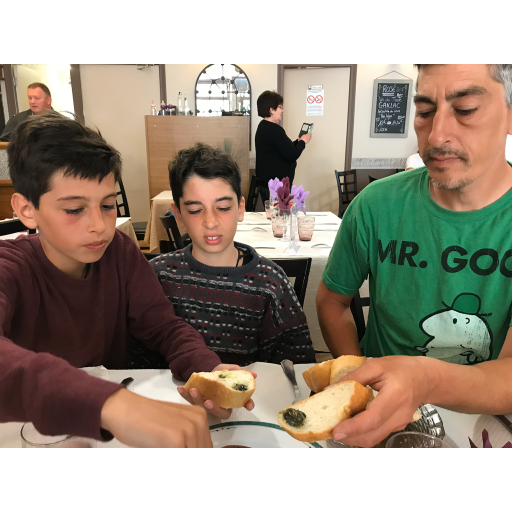
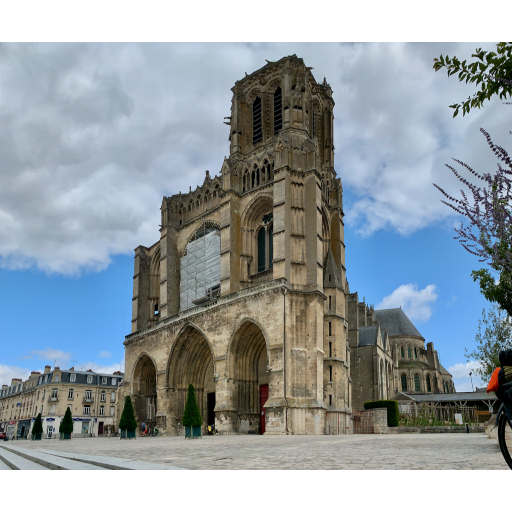
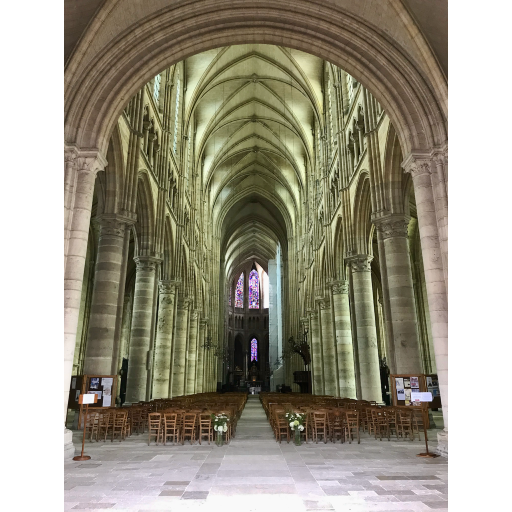
Oreste was visibly shaken and given the anxiety he suffered after he swallowed a marble a year or so ago, we were a little concerned by what impact this fall will have on him psychologically and for the trip in general. If he’s too scared to continue, we’ll have trouble. We tried to diffuse the fear with lunch in a restaurant to (quietly) celebrate our lucky stars with a glass or two of wine. The boys were distracted by tasting “Escargots a l’ail” for the first time which they seemed to enjoy, despite the fact that they were once upon a time cute little snails. Oreste could have been in a much worse state. We thought we were going to be able to ride another 25 kms but we were all drained. After visiting the cathedral of Soisson, we stopped at the nearest camping ground for an early night but just before bed Léon sprained his ankle on the trampoline. Lisa found herself having to clean today’s old wounds, re-administer first aid and tend to new wounds, including a bunged up nose that Léon accidentally delivered Arsène.
The good news is that Oreste is convinced he can speak cow. He addressed a herd of seated cows in their language and they all stood up. We should be fine.
Monday 15 July
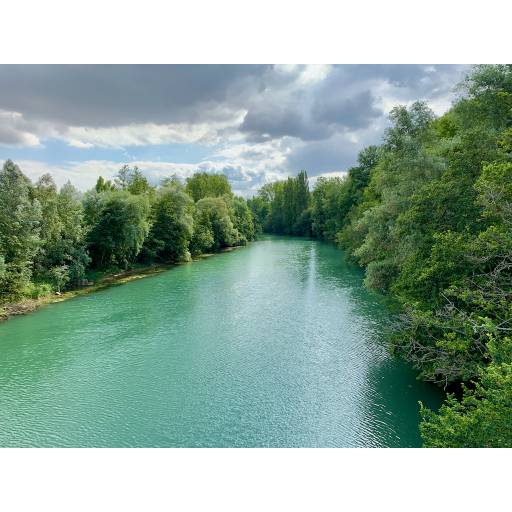
This morning we rode from Vailly sur Aisne from which it seemed we couldn’t get out of. We tried three different routes and each time it was the wrong one. We passed fishermen along the canal – twice, we went up and down the same tracks – twice. We passed the workers and their van – twice. We spent the first half an hour trying to get on the right track and finally by 10am we were on our way to Reims. Before we knew it, it was already lunch time so we stopped to have lunch in a very quiet almost abandoned town some 20kms outside of Reims.
On arrival into Reims we were welcomed by a Felliniesque scene. A huge construction site and right on the edge of it was what looked like an ancient Roman archway that had clearly been battered by the first and possibly second world wars. What were they doing with all that machinery right up against it!?
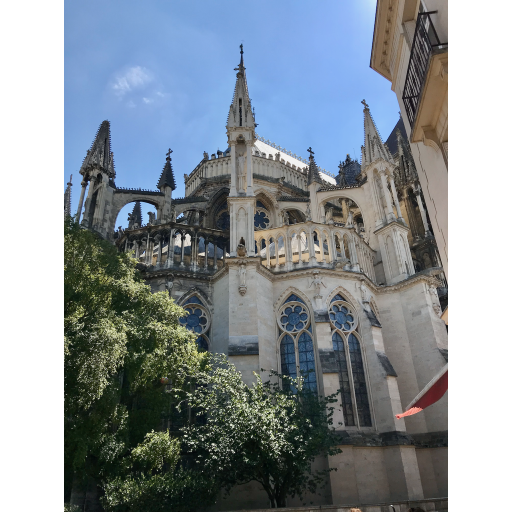
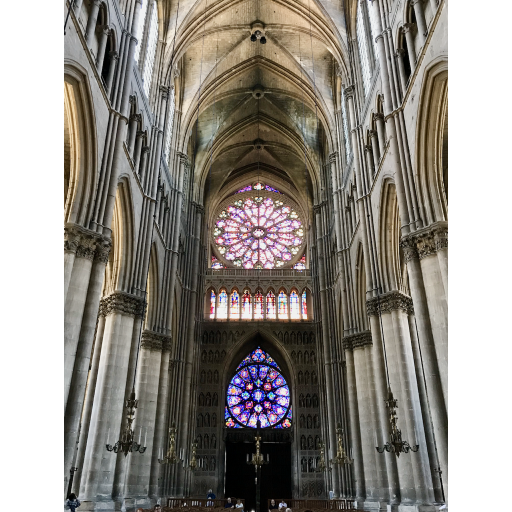
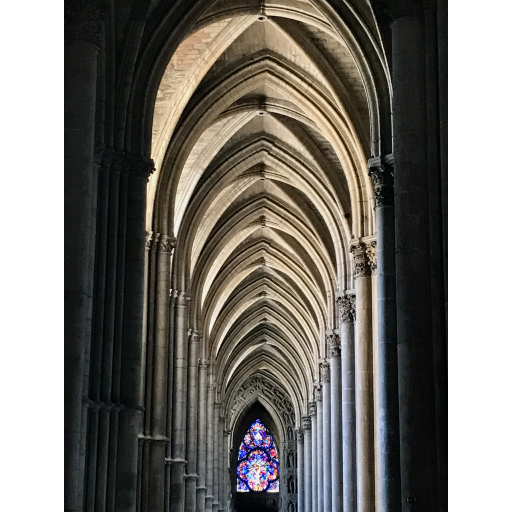
The city streets were lined with charming old buildings that have been tastefully honoured by the architecture of new buildings in the vicinity. Just like most European cities and towns, the cathedral was at its centre.
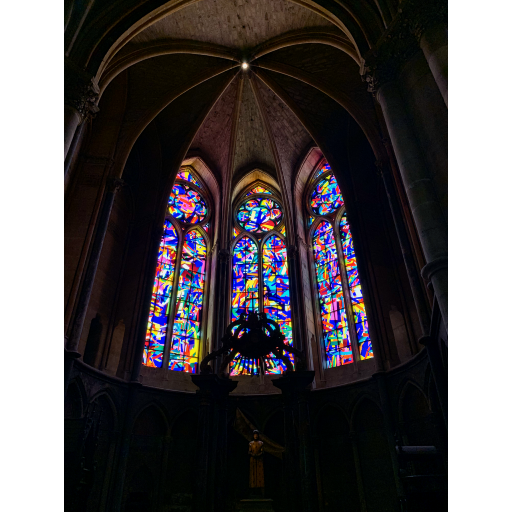
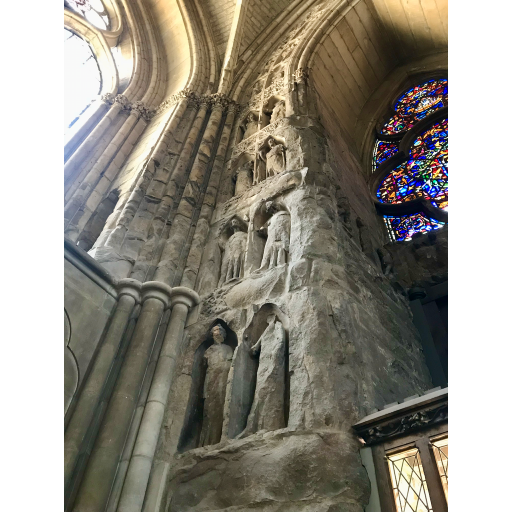
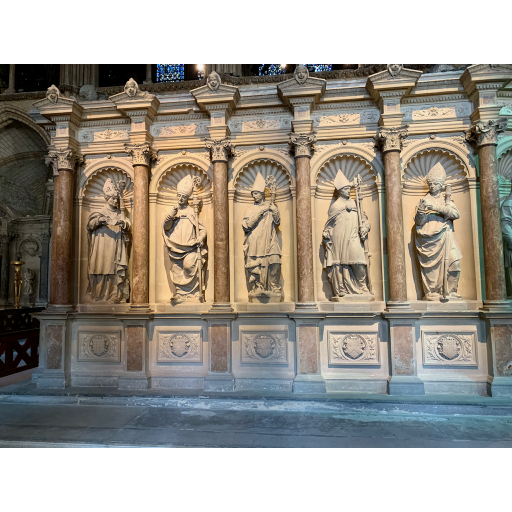
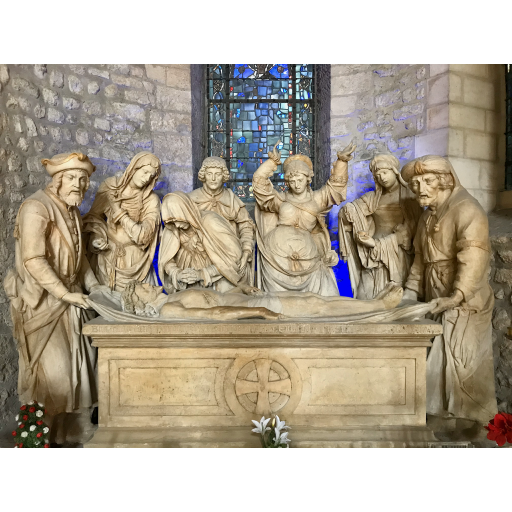
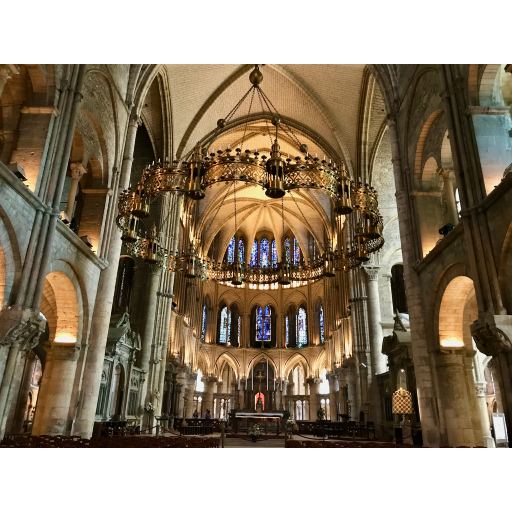
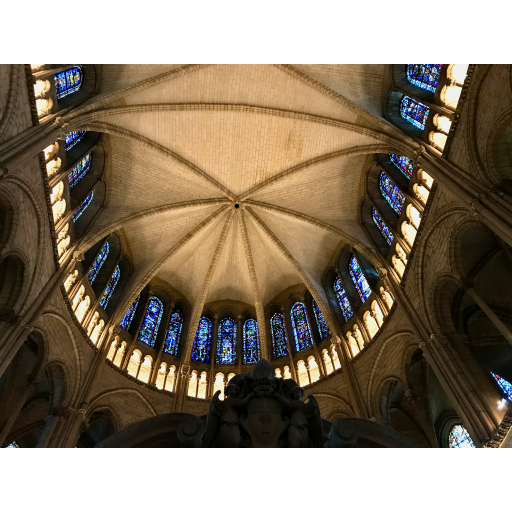
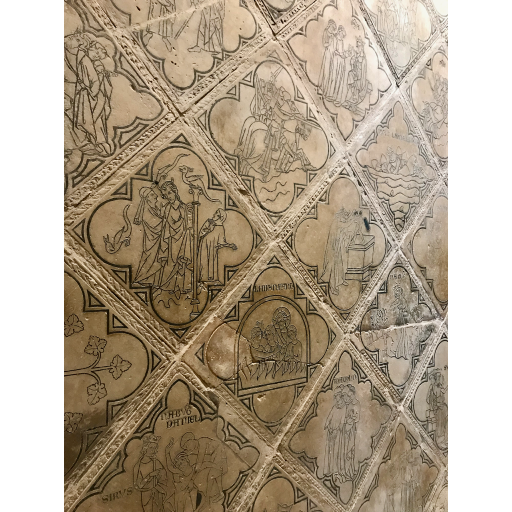
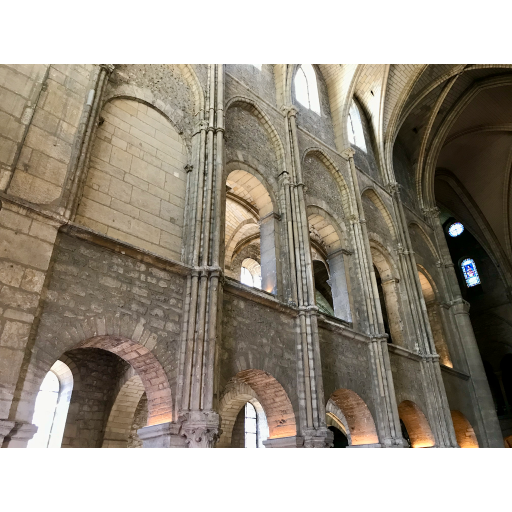
Impressive. Although certainly not as ornate as the cathedral in Amiens, which was simply spectacular. We then went to the basilica just 2kms out of the centre and were blown away by the more rustic and very different internal architecture which spoke to its Roman history. The centre piece, in which it is said the remains of St. Remi are (the saint who baptised Clovis King of the Francs in the cathedral), is an internal monument surrounded by life sized marble sculptures. The naturally abundant stones used as building materials inside the vaults not only layered the already rich interior with more texture and time, but was a particularly felt reminder of the genius ingenuity in simplicity and the timeless power of devotion and craftsmanship that poured into the construction of the Basilica. A beautiful, remarkable experience. The cathedrals and basilicas have been mind glowingly powerful. The textures, the density of historical narratives, the symbolism. It’s so very rich it’s overwhelming.
As we waited for our kebabs, we took in the bustling scenery and atmosphere of the main street in Reims. The central strip of the long plaza was converted into an avenue of pétanque fields, where young and old played together while taking in the evening rays. With kebabs and a few supplies in hand to get us through to tomorrow morning in hand, we headed for the train station and caught the next train to Chalons en Champagne. The aim was to go straight to Verdun, but the camping ground wouldn’t accept us after 10pm and we weren’t going to get there until closer to 10:30. We didn’t want to stay in a hotel in Reims either because that would have completely blown today’s budget, so we decided to go some of the way.
We arrived late to our camping ground for the night and got to bed just as late, which gave us the opportunity to see our first full moon of this trip. The happy face of the world.
Trying to get access to the internet was hopeless. Something that would normally be fairly straight forward started to become a source of great stress for the poor young girl behind the reception desk. People started lining up outside the front door – you could only be one client at a time in the tiny office – and then all of a sudden, the cars started lining up behind the boom gate that all of a sudden stopped working. At that point, an internet connection seemed to be ridiculous. It can wait.
Xavier and Lisa discussed homeschooling yet again. An existential inquiry into what does it mean to educate. How do we learn? How do we record the fruits of that learning? And why is recording necessary, if at all? It was a pivotal parenting moment. What are we raising our children to be? According to who? Kahil Gibran’s poem on children came to mind as we questioned order, time, organisation, resilience, the world in which they may live, consumerism, technology, capitalism, control, nature, the unknown, faith, perfection and imperfection. The evening ended with a beautiful analogy based on a poem Arsène found on the wall in the cathedral today. It’s a story about a ceramic pot that feels inadequate because it is cracked and water seeps through. The flower growing beneath the imperfect pot thanks the cracked pot for being so. Thanks to its imperfection, the flower has been able to grow.
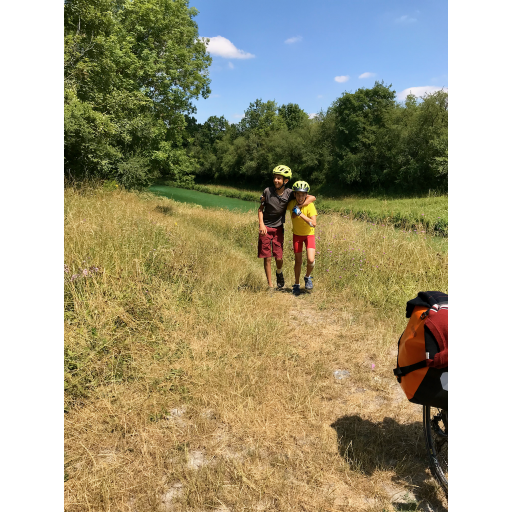
Your children are not your children. They are the sons and daughters of Life’s longing for itself.
They come through you but not from you, And though they are with you, yet they belong not to you.
You may give them your love but not your thoughts.
For they have their own thoughts.
You may house their bodies but not their souls,
For their souls dwell in the house of tomorrow, which you cannot visit, not even in your dreams.
You may strive to be like them, but seek not to make them like you.
For life goes not backward nor tarries with yesterday. You are the bows from which your children as living arrows are sent forth.
The archer sees the mark upon the path of the infinite, and He bends you with His might that His arrows may go swift and far.
Let your bending in the archer’s hand be for gladness;
For even as He loves the arrow that flies, so He loves also the bow that is stable.—Kahlil Gibran, “On Children” from The Prophet
Tuesday 16 July
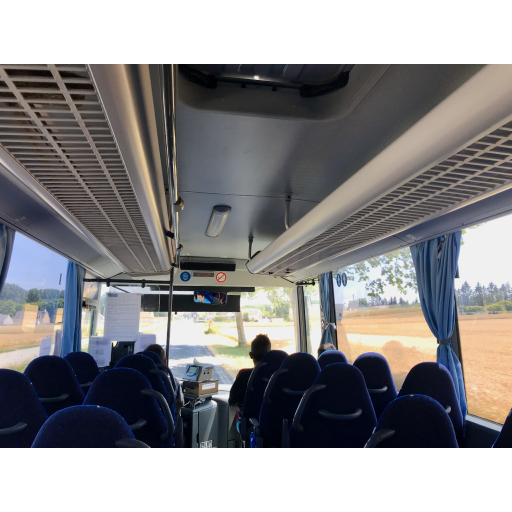
Left the municipal camping ground of Chalons en Champagne and rode a short distance to the train station. We stopped on the banks of the river Marne on the way and the boys played along the river’s edge until it was time to go catch the bus to Verdun. We used the remaining time to write in our journals before the bus arrived. In Verdun our history lessons from WWI continue.
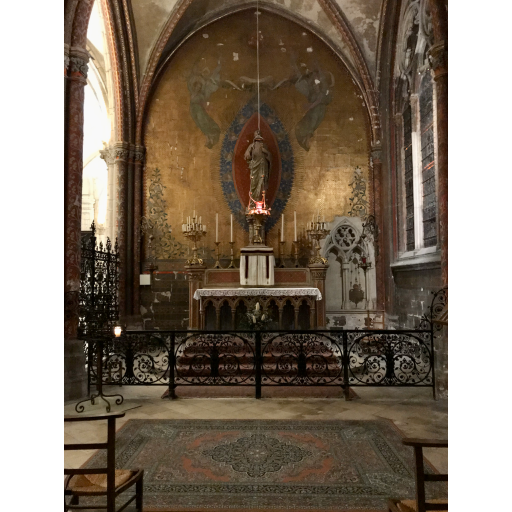
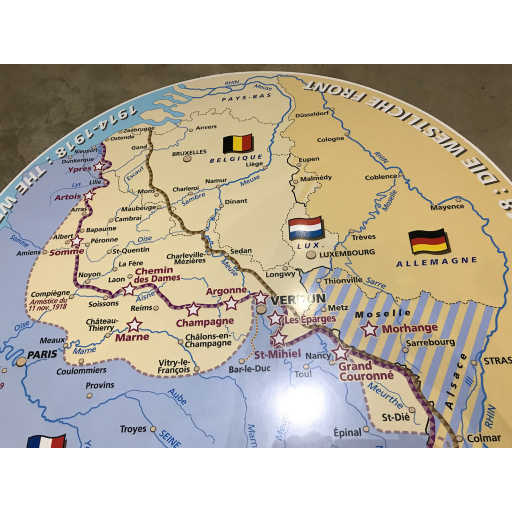
We visited the Centre Mondial de la Paix where we were engrossed by the exhibition in the courtyard focusing on the role of each country during the Great War, despite the beating heat of the day. We retreated into the shade of the gift shop before we moved on to the Cathédrale de Notre Dame de Verdun, a cathedral with origins back in the 4th century but that was rebuilt in 1047 after a fire. The years oozed from the walls, the mustiness was a comforting reminder of permanence, of history, of memory, of lives lived. The peeling plaster, the faded colours, the leaning candles in the ornate candelabras, the humble simplicity of the furniture, the faded paintings on the gold leaf, the decorative touches in all the right places that sooth the eye and soul, and finally the placement of what otherwise seemed like an out of place oriental rug blended in seamlessly with the Catholic relics. A satisfying synchronicity of worlds. The cool, humble, ornate, darkened, old cathedral suspended beauty across the ages and cultures.
Never been one to light candles, Lisa found herself moved to do so and relinquished any sense of religious resistance to the overwhelming need to acknowledge the incredible passion, belief and sheer magic that created these places. These creations, and more significantly the history that each detail in each relief is drenched in, filled Lisa with such a sense of completeness, unity. A feeling difficult to understand but easy to be overcome by. The narratives speak directly to our most noble and tragic human conditions that have never changed. The dramatic setting is form given to the unmovable integrity of the fusion between textures – felt, smelt and tasted – and the density of laden narratives revealing a genuinely breathtaking internal life. Superficiality deserves to not exist.
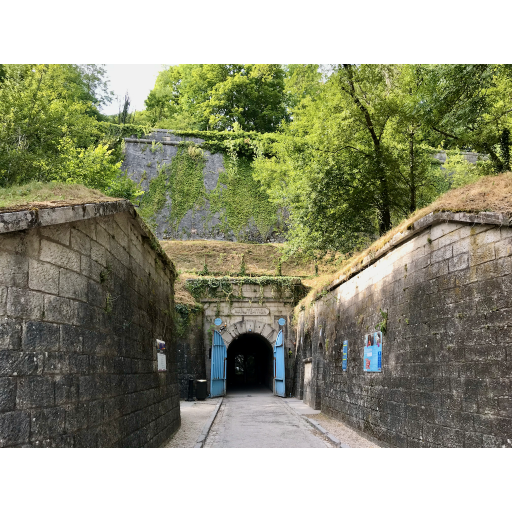
We continued our way through the hilly streets of Verdun, although we split for a while because Xavier had to find a toilet for Oreste – quickly! We ended the day at “La Citadelle souterraine de Verdun” an unbelievably well organised, subterranean city with an extensive network of tunnels that housed bakeries, clothes shops, tailors, dormitories for thousands of troops, hospital, ammunition reserves and much more, to cater for the well being of all troops, civilians and others within the citadelle holding tight while the Germans bombarded above ground. It is a fantastic, awe inspiring, grounding symbol of resistance. Tears welled up when analysing the care, patience and perfection of each stitch sewn in the beautifully tailored dignified suits to be worn god knows where in a world riddled by disgrace. To insist on the creation of such beauty and sensitivity at such a hopeless moment in history tells a tale of boundless spirit and resistance.
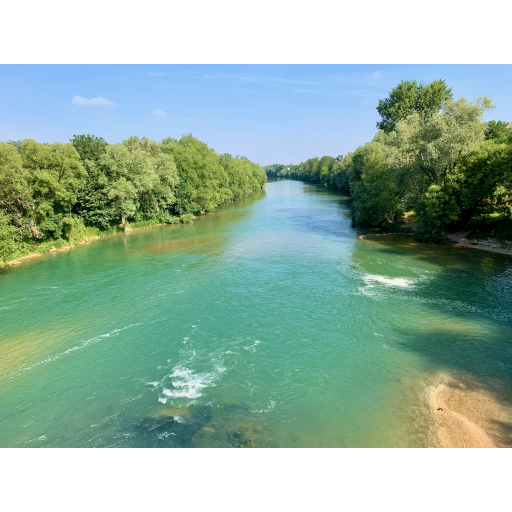
We stayed in a camping ground just out of Verdun called Les Breuils. It was a very busy camp ground with people from all over Europe enjoying the cute little restaurant/cafeteria, the swimming pool and the river’s edge. Oreste was so frustrated. He desperately wanted to go for a swim but couldn’t because we didn’t want his wounds to get infected. It was the end of the day. The pool was crawling with kids and the warm water was far from crystal clear. Léon and Arsène went in for a dip while Oreste helped with pitching the tent, getting dinner ready and a load of washing done and dried ready for our departure in the morning. It’s so hot but Oreste will just have to settle on showers until his wounds have stopped weeping and a crust has formed.
Wednesday 17 July
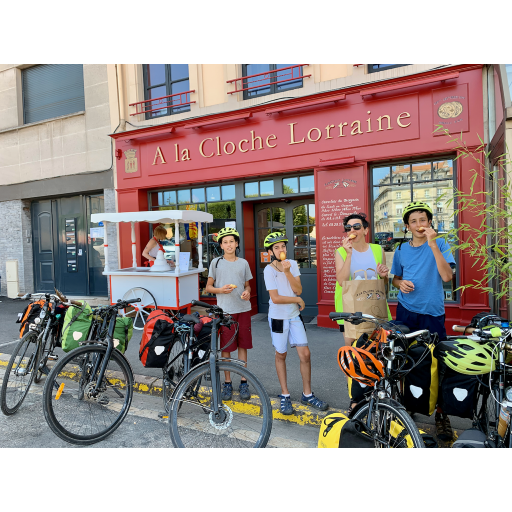
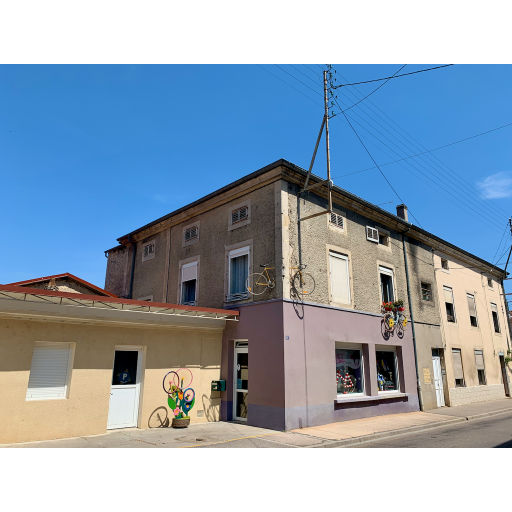
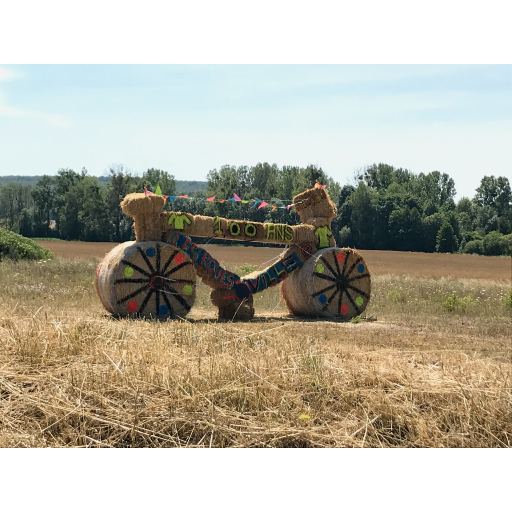
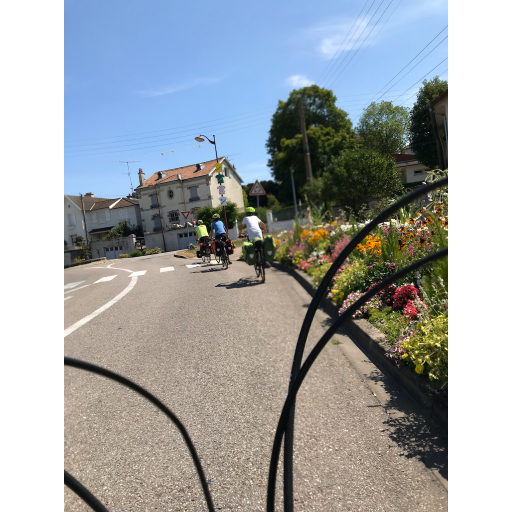
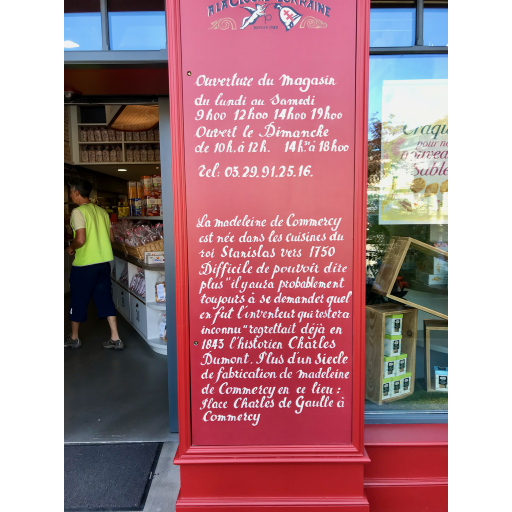
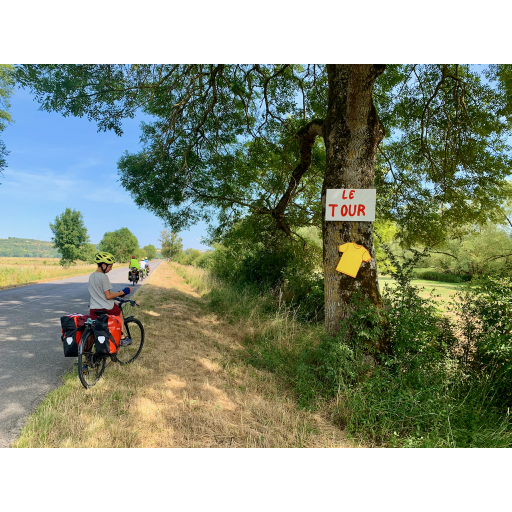
An oxygenating ride through the beautiful and green Lorraine region today. We managed to out do our record and rode 100kms through the gently undulating terrain from Verdun through Saint-Mihiel, a little town with pretty bridges and patisserie shops. We stopped for a picnic under the cube shaped trees which Lisa’s father would have loved, before making our way to Commercy via Lerouville where we fed off the spirit of the 100th Tour de France. There were uphills followed by rewarding and deeply satisfying downhills, although Oreste was taking his time. On arrival into Commercy, we had one main mission and that was to taste the best Madeleines in town. We were directed to a place just around the corner from where we were and it really was like walking into a candy shop, only better.
We made it to the capital of the delicious Madeleine. In agreement with a mother and daughter behind us, between the both of us, we bought the last batch of 20 freshly made madeleines. We took 15, they took five – a ratio they were happy to accord us given the distance we had travelled and the fact that, unlike us, they can always come back tomorrow.
The Madeleine: Sumptuously sponge like. Airy in the centre with a very fine sugar crusted browned base that leaves a hint of lemon in the mouth. While Xavier’s many baking attempts were successful, there is another somewhat ethereal dimension to the Madeleine we experienced here. It’s the after taste that lingers that can’t be replicated – not unless you have another and another. But quantity is not where the magic lies in these creations. The lower realm of greed cannot satisfy. The magic is a combination of soulful satisfaction, reverent pleasure, deeply genuine and humble gratitude for the ephemeral notes left behind. Proust got it so right.
We continued our way travelling through beautiful greenery with distant quarry mountains that Oreste thought may have been snow. From around Lerouville we were privy to all the Le Tour de France 2019 paraphernalia that lined the streets. We got off the planned track so had to come back a few kilometres and eventually made it to an even prettier little city of Toul where we were greeted by a massive cathedral in the distance. We didn’t have time to go to the city centre to explore it because it was already 6pm and we still had 5kms to the camping ground. It’s definitely a city worth researching further when there is more time. Cathedrals of that scale are reserved for significant moments in history.
We made it to a beautiful, expansive camp ground tonight on the edge of the Moselle River. Dinner was weird. With one picnic table to be shared among many people, we approached a table where a camper was reading a book. Although we asked if we could share the table, he didn’t lift his head from the book. We continued to prepare dinner and he was fixed to the seat. This in itself was not a problem, but he refused to move from where he was so by the time we were ready to eat, he was in the middle seated in between Oreste and Lisa. It was strange but actually very nice to think that he was so comfortable and engrossed in his book that the rest of the world didn’t matter. We should have offered him a plate but it probably would have meant nothing to him. He was devouring words. After dinner we continued in our usual fashion and cleaned up around him. It was only sometime after that like a switch, he got up and left swiftly, without a word spoken, without eye contact. Nothing. Just disappeared into his tent.
Today was the first time that the boys were so tired that they lacked the energy to play on arrival or help pitch the tent. We realised it takes 100kms to achieve that! We’re still cleaning and disinfecting wounds twice daily. They are starting to crust over but the crust is very delicate and could be easily ripped off. Oreste is wearing his board shorts inside out so the pockets don’t rub his skin and there is air circulating between the cloth and the skin. His tight bike shorts became more of a problem than anything else because they were too tight and ended up sticking to his wound which we then had to apply water to and peel off slowly, re-exposing the raw wound.
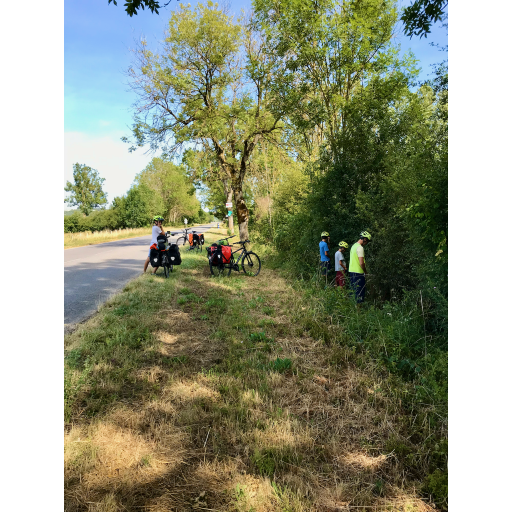
Arsène found a very useful little bike bag in the bushes on the road side that he adopted. It will definitely come in handy on this journey. We got to know who lost it through the contents of the bag which we tried to recycle as much as possible. The tissues, the feminine riding gloves, the tyre pump. It would have been a real loss for that person. We just hope our use and appreciation of it will help that sense of loss.
Tomorrow onto Nancy. Strasbourg and our oracles are in sight. As is a nice cosy bed, although we are really very comfortable in our tents and sleeping bags. The layering consisting of an air mattress followed by a flanelette blue sleeping bag, followed by a minus 4° feather sleeping bag hits all the right spots.
Thursday 18 July
Our tall, book devouring mystery friend spoke with Xavier this morning. It turns out he’s from Germany and is also cycling through the area on his way to Paris. Like many here, it seems to be a favourite past time in the summer.
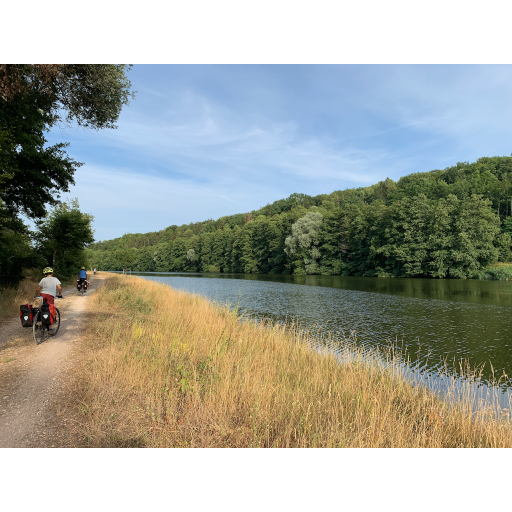
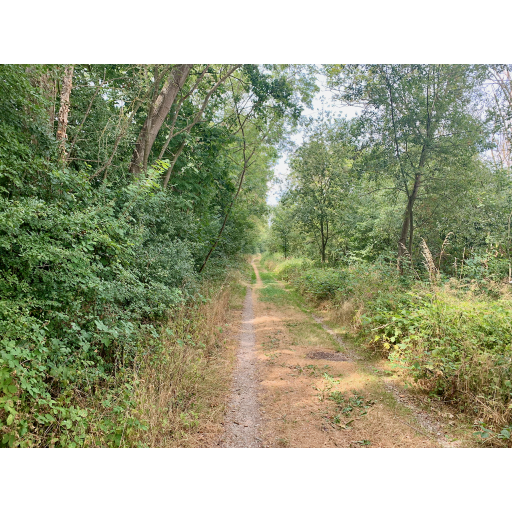
After breakfast we started off the day with a beautiful ride down a nature strip that was lined by the Moselle River on either side. Filled with life of all shapes and sizes, butterflies, birds and deer, it was a simply stunning morning. Then came the 200 metres high climb into Nancy. We understood from one of the many cyclists we encountered that this was a route for the Tour de France. Those riders rode from Reims to Nancy in one day and finished with this punishing climb. It took us about 30 minutes to get to the top and then it was pretty much all down hill into Nancy and more specifically, La Place Stanislas, named after the King of Poland and Duke of Lorraine and De Bar between 1736 and 1766. The same king in whose kitchen the Madeleine recipe was developed by an unknown maid.
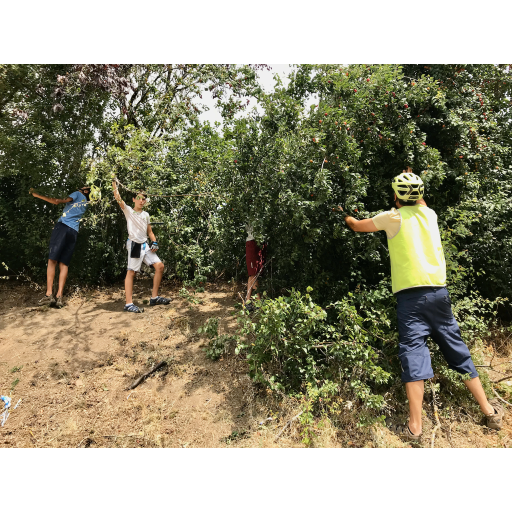
We left Nancy and rode another 40kms to our camping ground. 60kms today all up. It was tough. We were still feeling yesterday’s 100km ride and the terrain. Although truly challenged, we were spoilt by the flat ride along the canal and fruit picking by the road side, before getting to our camping ground for the night. We’re starting to get a little sick of these parcelled up pieces of land for camper vans that sit here empty for most of the year. They look so tired and battered by the time the summer comes around. We just can’t seem to understand the desire, but then again, we can’t really understand the desire of having a country house that you have to spend hours driving to/from every weekend.
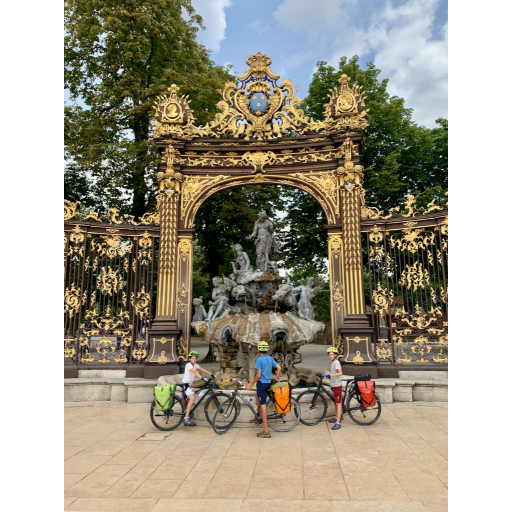
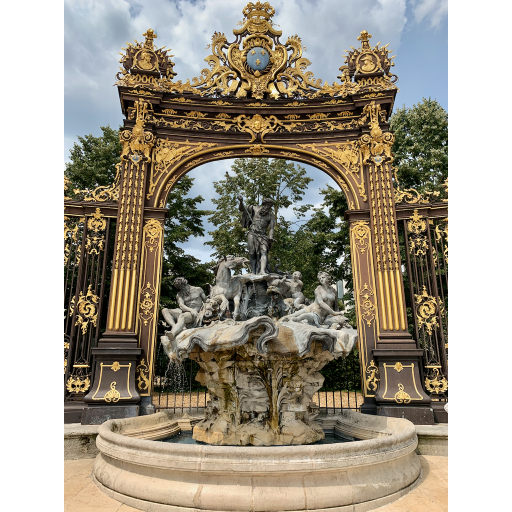
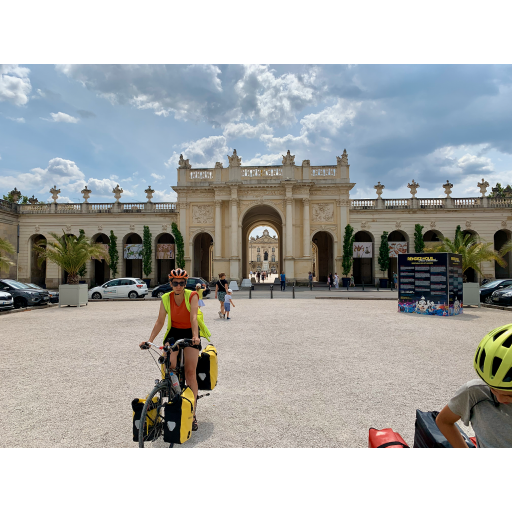
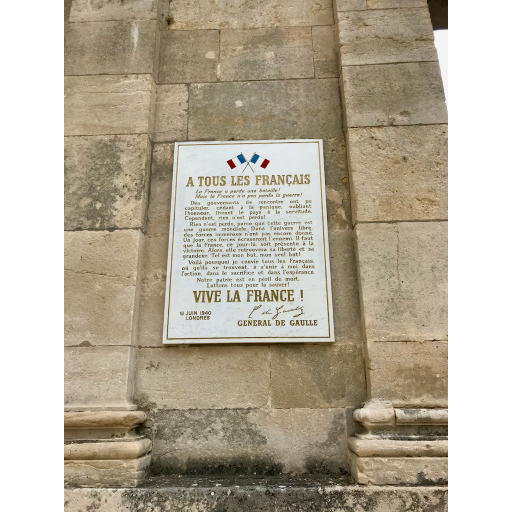
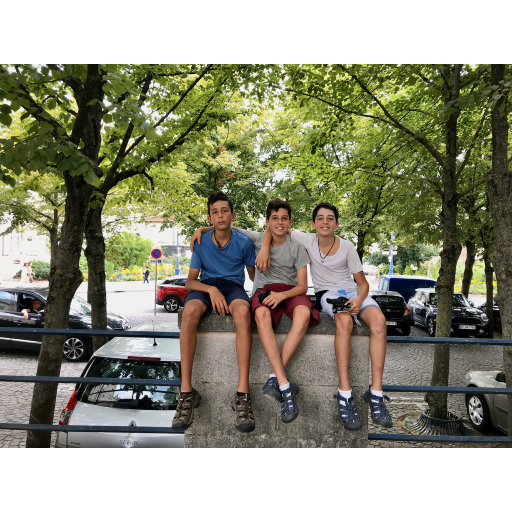
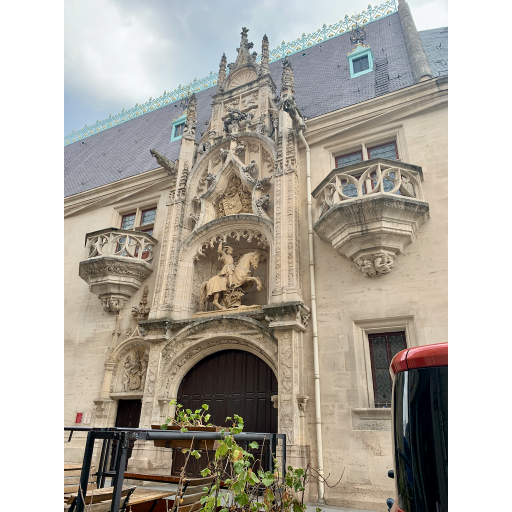
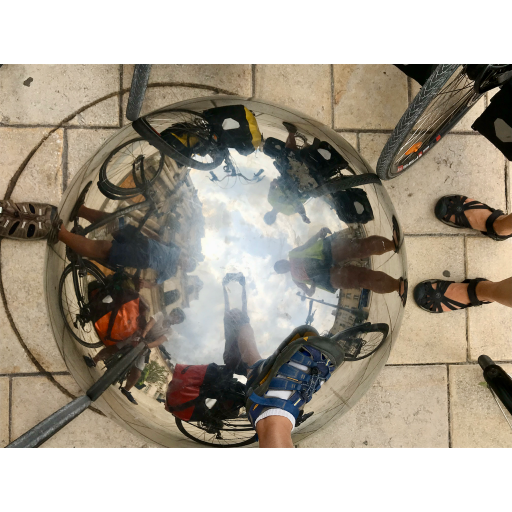
On arrival, we met two elderly German bicycle tourists while we were waiting for the manager of the camping ground to arrive. We chatted with them by the canal’s edge while we watched a family hook up their boat for the night. They spoke a very basic but very good French. If only we could return the courtesy and speak as good a German. Our German lessons unfortunately didn’t get us to that level before leaving. We are starting to meet more and more German people. The French prefer their cars, the Dutch their camper vans or boats along the canals and the Italians are no where to be seen. Yet … The Spanish are on foot and audible in the main tourist attraction places. Last batch were in the world Heritage Site of Place Stanislas.
Someone arrived and told us all to go set up irrespective, which we did. A good idea as the clouds seemed to be getting heavier. It eventually rained on us while we were preparing dinner but given the heat and humidity, we didn’t really care. The most important thing was that the inside of the tents were protected, which they were. The rain was a nice relief but very brief. We can all feel the dryness of the seasons in our nostrils.
The boys played with a little boy and his water pistol while it rained.
Tonight, we ate salad and couscous. We are really missing the great quality fruit and veges back home. But having said that, the berries here are to die for. Especially the ones you buy from the local markets. Although we feel no guilt or concern eating all the great bread, cheese and pâtisseries.
Friday 19 July
A few of our remaining cherished Madeleines for breakfast, a baguette filled with dark chocolate – a rustic version of “pain au chocolat” and period pain.
It was another full day. We rode from Parroy in the Lorraine to Hofmuhl in Alsace. Shortly after take off, Arsène managed to un-lodge the bracket holding his ‘arse protector’ mud guard, so Xavier used some roadside infrastructure to straighten things out and repair the damage.
Back on our bikes, we encountered a number of road closures as we rode along the canal which meant that we had to take a number of detours that were not as low lying as the canal. We found ourselves on a bit of a roller coaster ride up and down a sequence of hills which was fun. The downhill speed helped get up the next hill and on it went for a good kilometre or two.
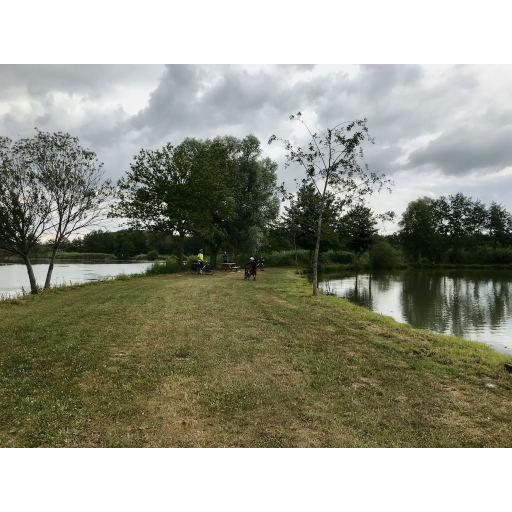
By that stage we were already feeling a little hungry so we stopped to have a snack in what we thought was a swampy type area, only to discover that it was all man made and a place where people come to fish. It’s a fish breeding and hunting program that charges people for fishing in this very large fish tank while having the illusion that it is nature providing.
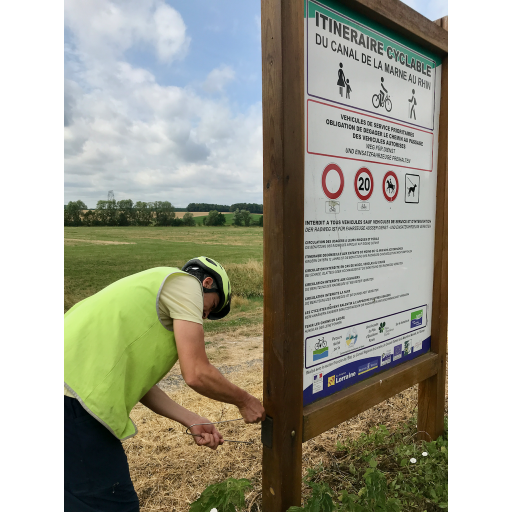
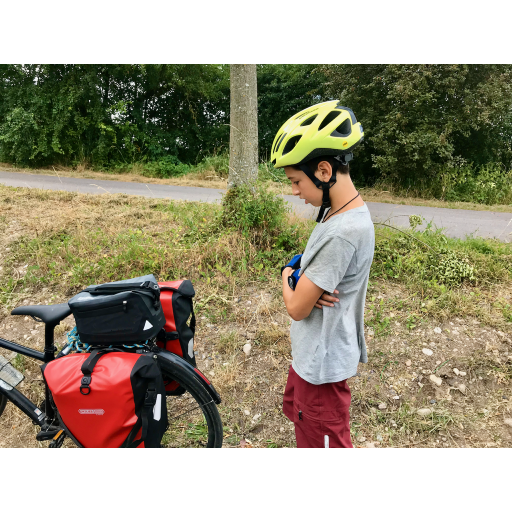
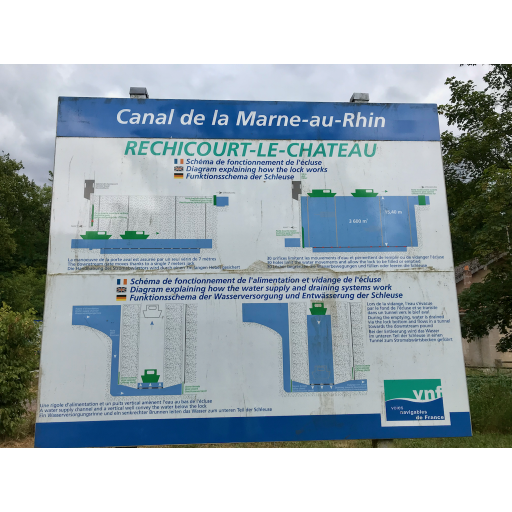
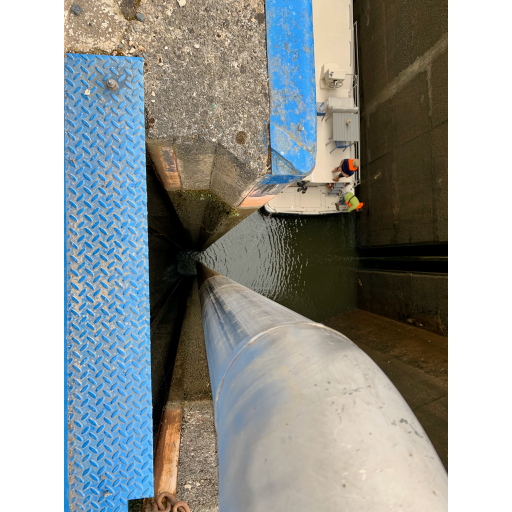
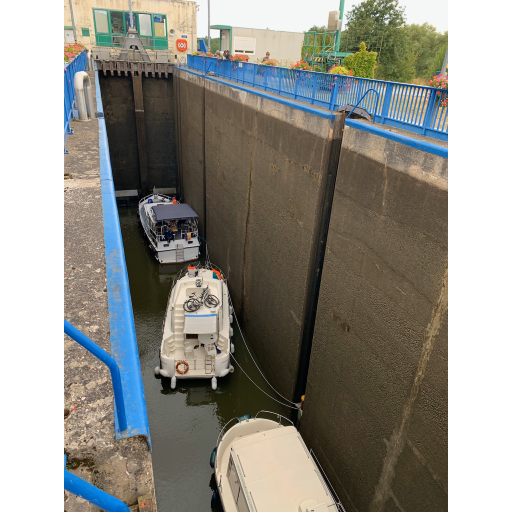
We continued on our way to experience an ‘écluse’ of a different sort that was 40 metres deep. We watched three boats drop down 40 metres so they could get to the right water level. An impressive piece of infrastructure that rattles the nerves as you watch the trickle of the water from the water level they were at before, trickle above their heads! An absolute disaster if that massive steel door holding the cubic meters of water at bay gave way. Best not to even imagine it.
We rode through a very green, shady and cool national or natural park of some sort with lots of bushes that offered the discretion needed for toilet stops. There were instances where Japan paid our memories a visit. We rode over rocky paths kept together by the roots of the trees on either side of the path. Not as agreeable on the bum but a nice reminder of the materials that keep the land together over which we ride and prevents us from ending up in the valley just below.
For lunch we stopped in a community garden where we helped ourselves to some of the herbs which went straight into our sandwiches while the boys starting taunting each other.
We went to a town called Sarrebourg to stock up on supplies for dinner tonight, breakfast and lunch tomorrow. This should see us through to tomorrow afternoon when we reach Strasbourg and our first family pit stop with Xavier’s uncles. After leaving Sarrebourg, we could definitely feel the cultural shift to a more German flavour. The names were a clear indication and the shift in landscape which included an escarpment that we haven’t seen before now. It reminded us very much of the Blue Mountains and Capertee.
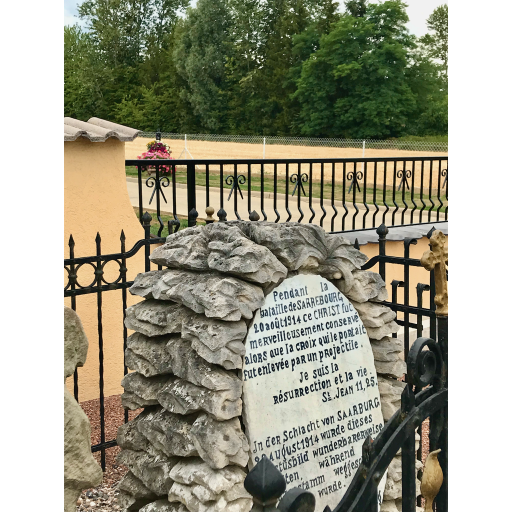
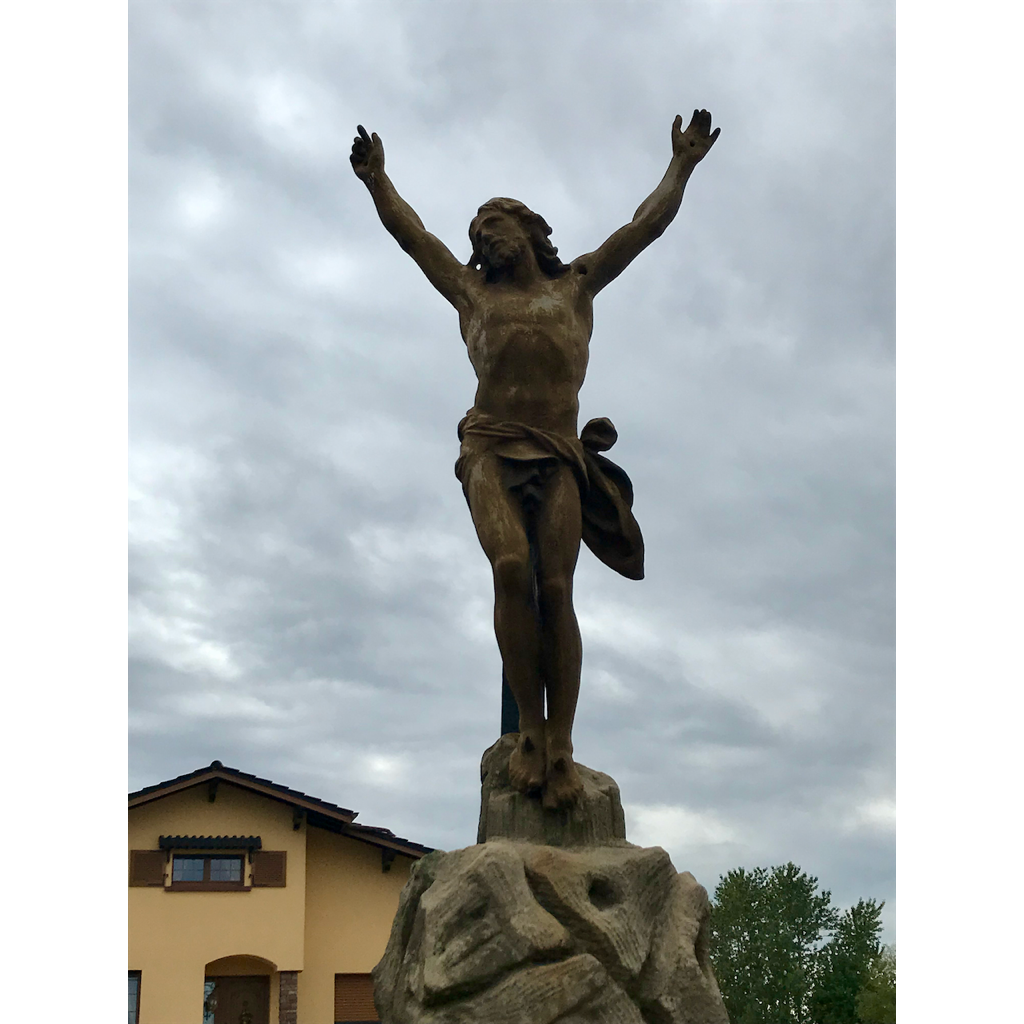
On the way out, we rode by one of the most incredible pieces of unintended public art. We could almost have rode straight past, but its composition was so curious, so wrong, but so new. On closer inspection: a classical jesus figure without his cross. The translation: “During the battle of Sarrebourg on 20 August 1914 this Christ was miraculously conserved when the cross that carried him was taken by a projectile.”
Simply astonishing. The figure was untouched. The cross, nonexistent. All of a sudden it became very clear how imposing the minimal vertical and horizontal lines that make up what is commonly referred to a cross, is. Jesus looked so much better without it. The destruction of the visually and symbolically heavy cross completely changed the reading of the Christ figure’s body language. Since 20 August 1914, this man has been freed. He seemed relieved by the lightness and so full of hope. Such a powerful moment within which are numerous meditations on form, figure, war, history, occultism, verticality, horizontality, rigidity, characters, legend, symbolism, chance, synchronicity, memorials, religion, publicness, intended art, providence, public art, the human condition, Impressionism, it will go on. A pivotal moment in appreciation and understanding of relevance. So incredibly powerful. Unshakeable frissons that deserve the deepest of dives spiritually, emotionally, physically, intellectually, consciously and unconsciously. The experience of the church in Verdun returned framed by fully blossoming, sweetly scented roses like those suspended from the wall in the church where Vermeer was baptised in Delft. A sublime timeless moment that will last a lifetime. And to think we almost rode straight by it. A criminal offense, for which we may have been condemned for eternity. The thought of having potentially missed that moment gives rise to giddiness. What this all means? It will take the rest of a life to decrypt it. What a trip.
This was followed by a ride by another potential public art moment, but this time far less exhilarating and so much more sinister. Three hangmen type wooden structures, each with bamboo wind instruments on them. Lisa remembered her father’s story of when the Germans would hang men in his childhood town of Montelanico in Italy, not far from where the communal clothes washing area was, for either hiding American troops or being part of a resistance. Lisa’s father would say that these people were left out to fry on these types of structures in the burning sun. These structures, in a landscape where the history of war, death and destruction is laden, seemed evil. The game of ‘hangman’ never appealed. The intensity of thoughts and feelings were no less as overwhelming as the crossless Jesus, however of an entire other spectrum. Thoughts of menace, inhumanity, indifference, hate and desire for a sickening power over another spirit was revolting.
Today we managed a few moments of mathematical problem solving quizzes and of course some history of the region as we rode through this region, Alsace, which became German following the war of 1870, then returned to France after the 1914-1918 war and its contested status during WWII. History lived in the true sense.
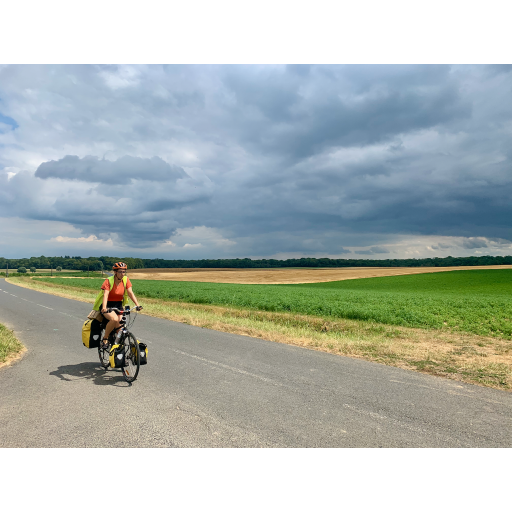
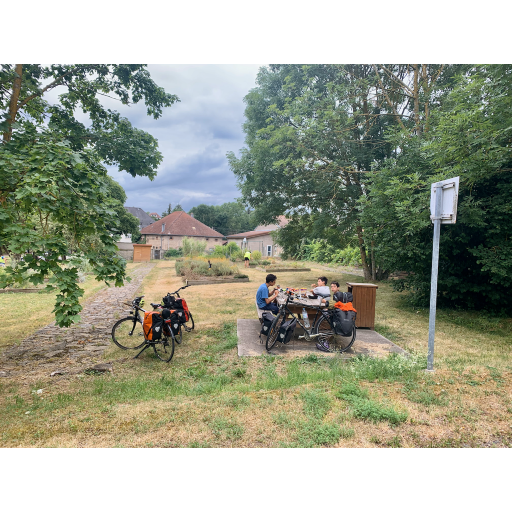
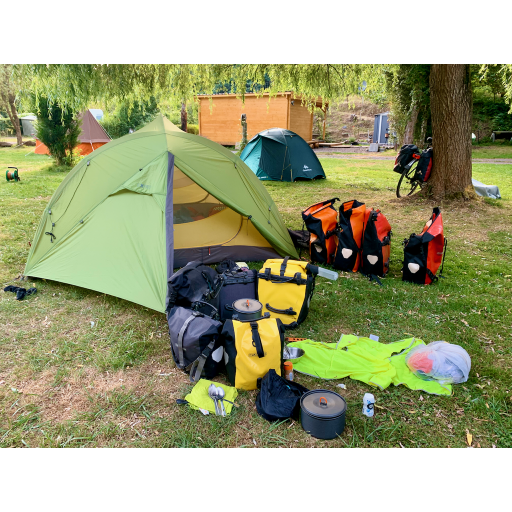
Despite the experiences of today, the boys have an endless source of energy. The only day they seemed to be totally inactive, and almost in a trance from the fatigue was when we hit the triple digits. Otherwise, anything under 100kms, seems to be a walk in the park. They continue to ride next to one another and chat as if sitting on a couch. It’s impressive and a joyful representation of the innocent energy of youth.
We had a nice gas stove dinner tonight of rice, vegetables and sausage. We needed something that involved greens and fruit. Feels like we can’t get enough.
Saturday 20 July
Today we left the camping ground and rode some 60 odd kms, direction Strasbourg, to our first family pit stop. While we’re all doing pretty good after three weeks it will be a welcomed relief to not have to pitch our homes for the next few nights and pack them up again in the morning. The stagnant yet stable aspects of a fixed home are ever present and reflected upon.
It was a fairly flat ride along the canal where we all agreed that while the sometimes noisy and evidently pollution spewing boats in the canal add a dainty element to an already picturesque landscape, the phlegmatic, lethargic aire of the occupants makes it look unbearably boring.
We arrived in Strasbourg, saluted the European Parliament and progressed to ” L’Orangerie”, the park that Napoleon created for his beloved Josephine. Much to the shock of some of the composed locals, we dunked our heads in the fountains and quenched our deep thirst with better tasting water than what we had in our bottles that had been heated up during the course of the day and started tasting like the plastic itself. We looked, behaved and were raw. So satisfyingly liberating.
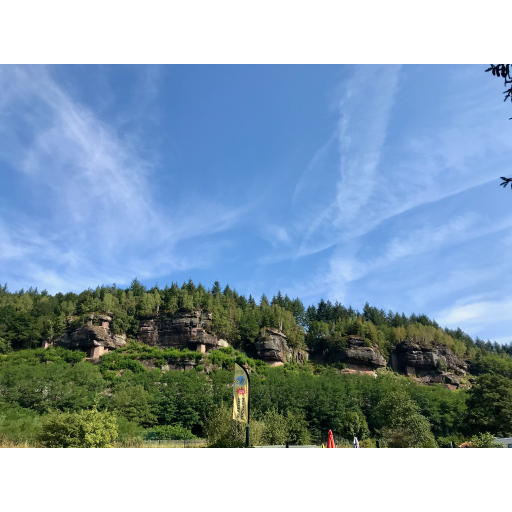
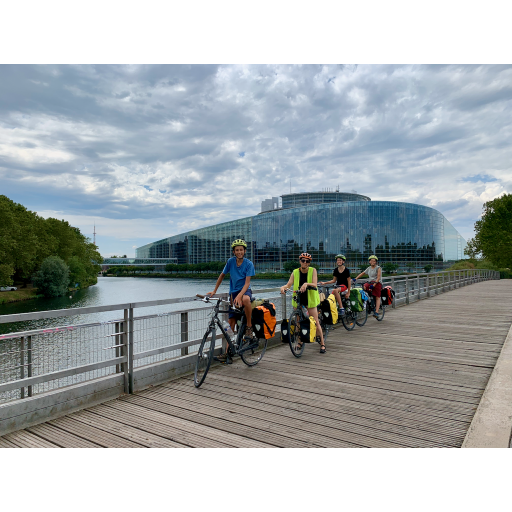
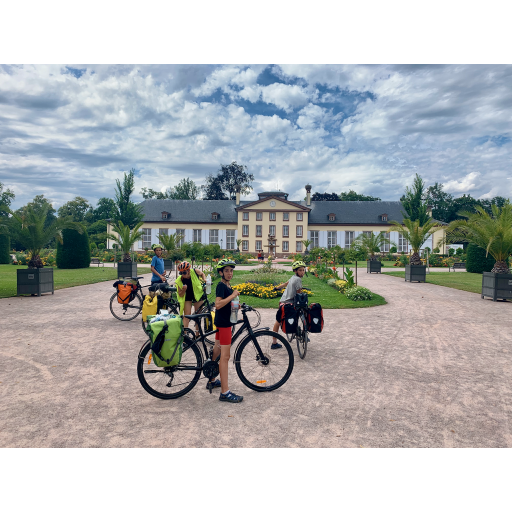
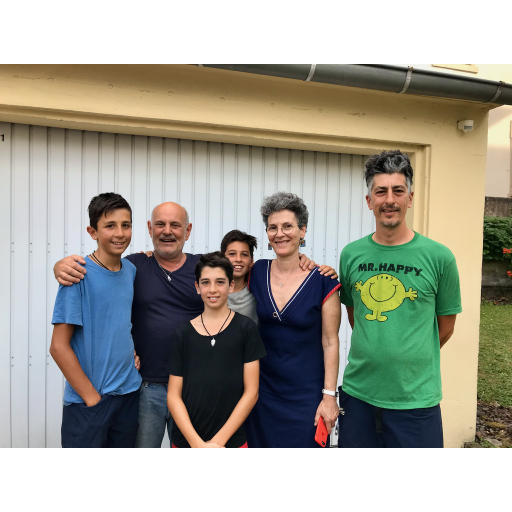
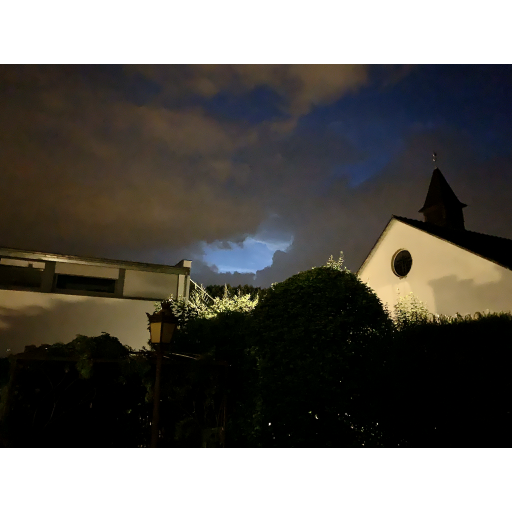
Just around the corner from one of our beloved oracle’s home, we went on to visit the other oracle which we thought wasn’t home, but then emerged from the bushes when he heard our bells and horns. Seeing them was like setting our eyes upon a promised land. A true delight to be in the family’s presence again. After a few hours of drinking, napping, eating deliciously refreshing fruit, talking and bathing in the inspiring, life giving conversation, we moved on to the next oracle where we will spend the next few nights. The sky overhead opened up as we bathed in rich conversation. We have found our oracles again and are ‘aux anges’ to be enveloped by their bonté and clairvoyance.